
UNESCO World Heritage Sites in Iran: A Complete Guide-Part Two
- 3 November 2026
- علیرضا خزاعی

Iran is home to an extraordinary range of cultural and natural heritage, from ancient cities and monumental palaces to historic bazaars, Persian gardens, underground water systems, and remarkable landscapes. These places reflect thousands of years of human history, artistic achievement, engineering, and adaptation to diverse environments.
As of October 2026, Iran has 30 properties inscribed on the UNESCO World Heritage List: 28 cultural sites and 2 natural sites. The newest addition is Alamūt Castle and Related Fortifications, inscribed in 2026. This guide introduces all 30 sites, explaining their historical or cultural significance and where they are located. Whether you are interested in ancient Persian civilizations, Islamic architecture, traditional landscapes, or natural wonders, these sites offer a broad introduction to Iran’s heritage.
Sheikh Safi al-din Khānegāh and Shrine Ensemble in Ardabil
Year of inscription: 2010
Location: Ardabil Province
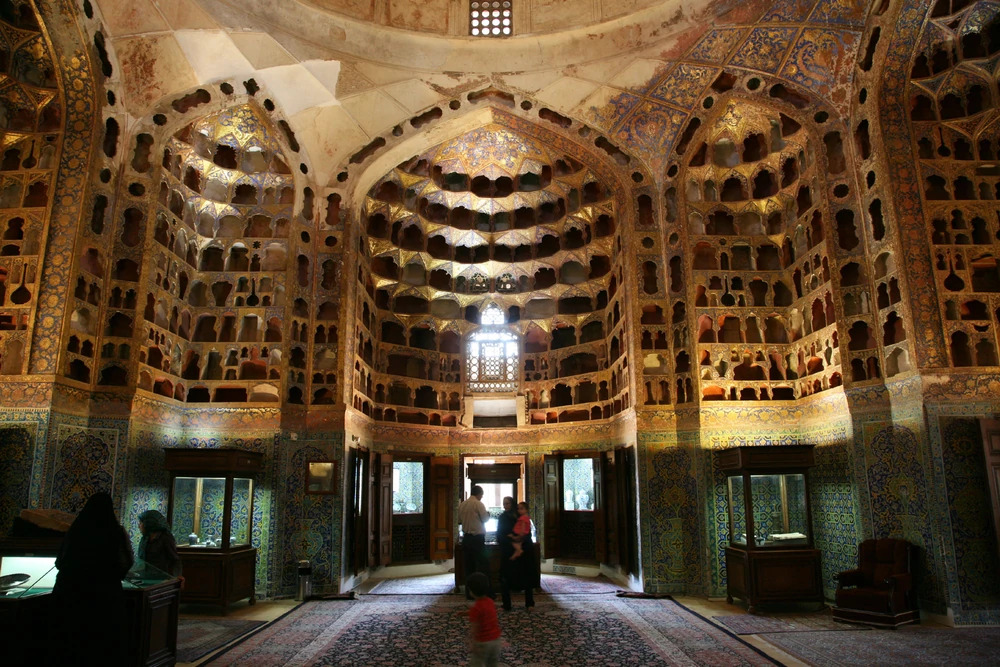
This historic complex was developed around the shrine of Sheikh Safi al-din, a Sufi spiritual leader who lived in the thirteenth and fourteenth centuries. The ensemble includes religious, ceremonial, and communal spaces associated with the Safavid spiritual tradition. Its architecture combines domes, courtyards, decorative tilework, carved wood, and other forms of craftsmanship. The complex later acquired particular importance because of its connection to the origins of the Safavid dynasty. It is a significant example of the relationship between religious devotion, architecture, and political history in Iran.
Shushtar Historical Hydraulic System
Year of inscription: 2009
Location: Khuzestan Province
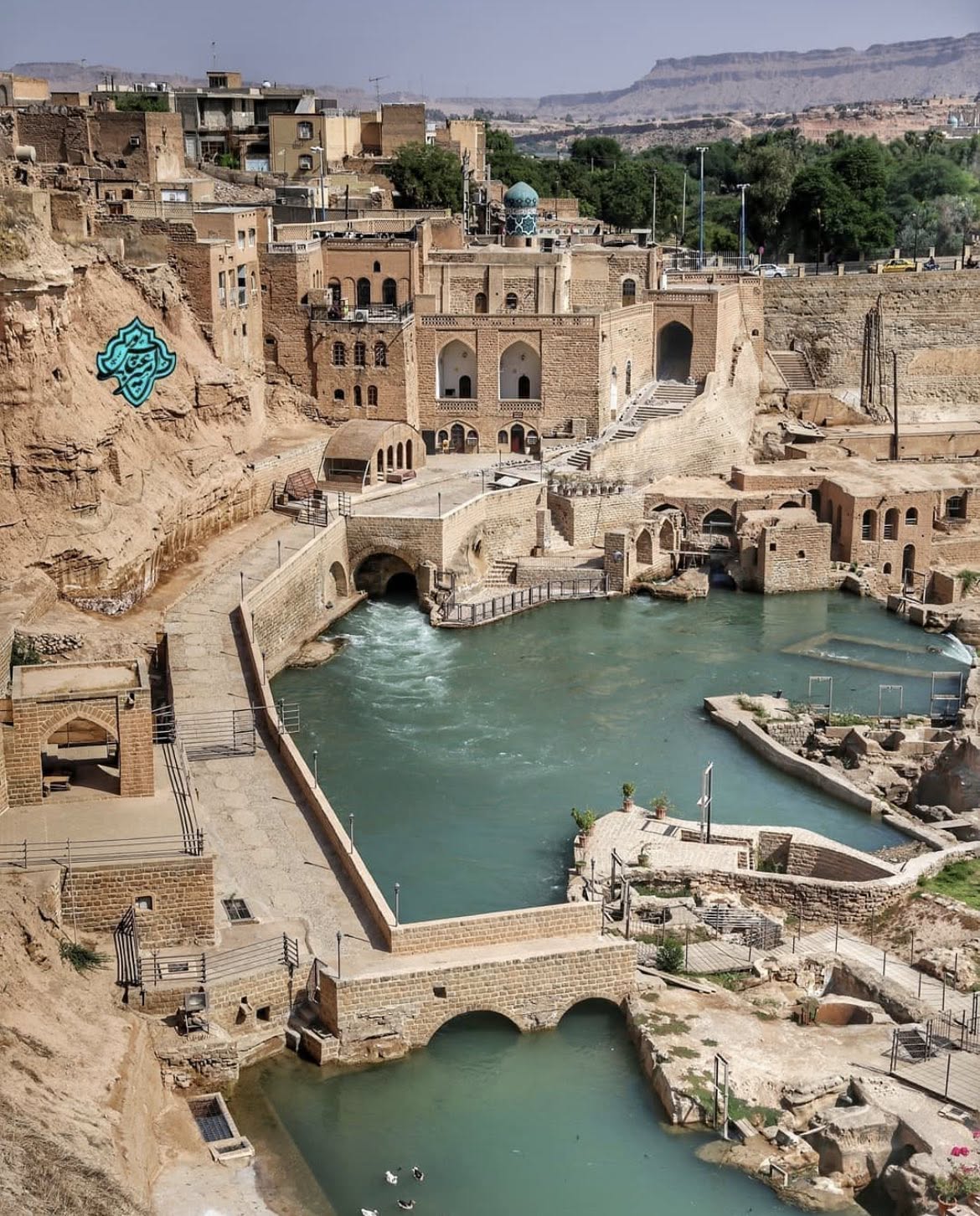
The historical hydraulic system of Shushtar is an extraordinary network of dams, canals, bridges, tunnels, and water mills. Its development involved engineering knowledge accumulated over different periods, with important surviving structures associated with ancient and later Iranian history. The system was designed to control and distribute water from the Karun River for irrigation, urban needs, and industrial activities such as milling. Its components reveal a sophisticated understanding of water management and hydraulic engineering. Shushtar demonstrates how infrastructure could shape settlement, agriculture, and economic life in a region with abundant river water.
Soltaniyeh
Year of inscription: 2005
Location: Zanjan Province
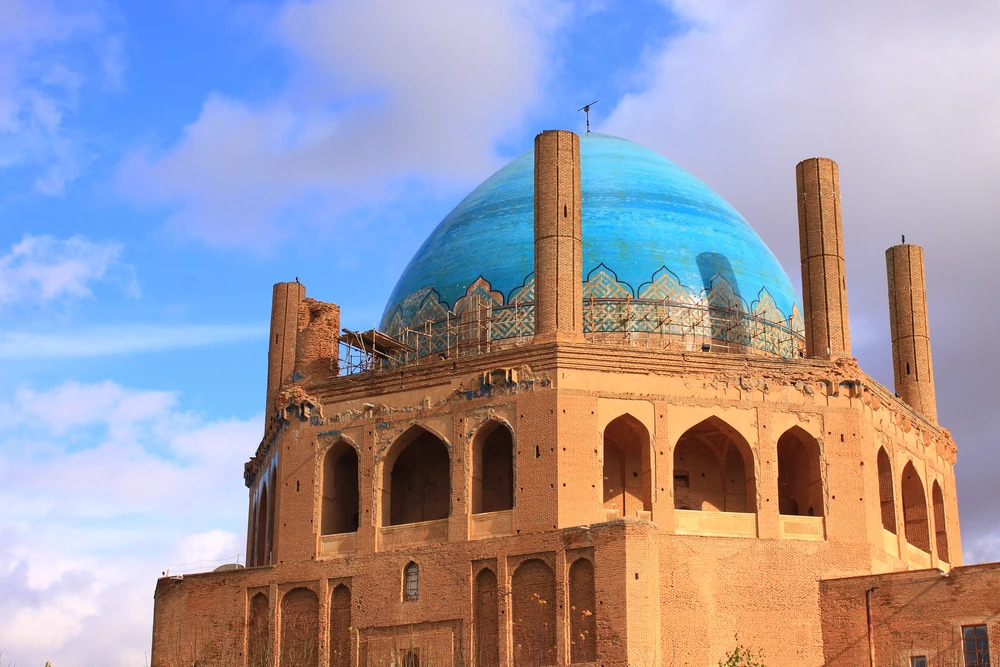
Soltaniyeh is famous for its monumental mausoleum, built in the early fourteenth century under the Ilkhanid dynasty. The structure is crowned by a large turquoise-blue dome and is among the most important surviving examples of Ilkhanid architecture. Its innovative design, proportions, brick construction, and decorative features influenced architectural developments in the broader region. The monument reflects the artistic achievements of the Ilkhanid period and the importance of Soltaniyeh as a political center. The dome remains one of Iran’s most recognizable historic architectural landmarks.
Susa
Year of inscription: 2015
Location: Khuzestan Province
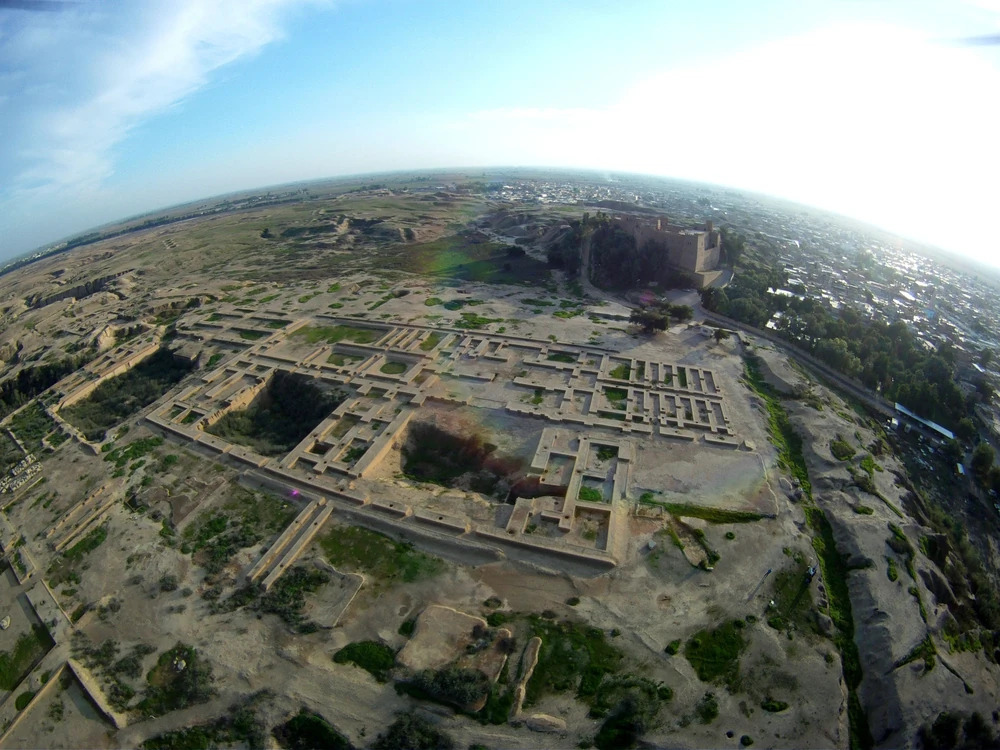
Susa is one of the oldest major settlement sites in Iran, with a history extending back several millennia. It played an important role in Elamite civilization and later became significant under successive empires, including the Achaemenids. Archaeological remains at Susa reveal the development of urban life, administration, architecture, and cultural exchange across southwestern Asia. The site’s long sequence of occupation makes it especially valuable for understanding the interactions between different civilizations. Susa is a key destination for anyone interested in the early history of Iran and the wider ancient Near East.
Tabriz Historic Bazaar Complex
Year of inscription: 2010
Location: East Azerbaijan Province
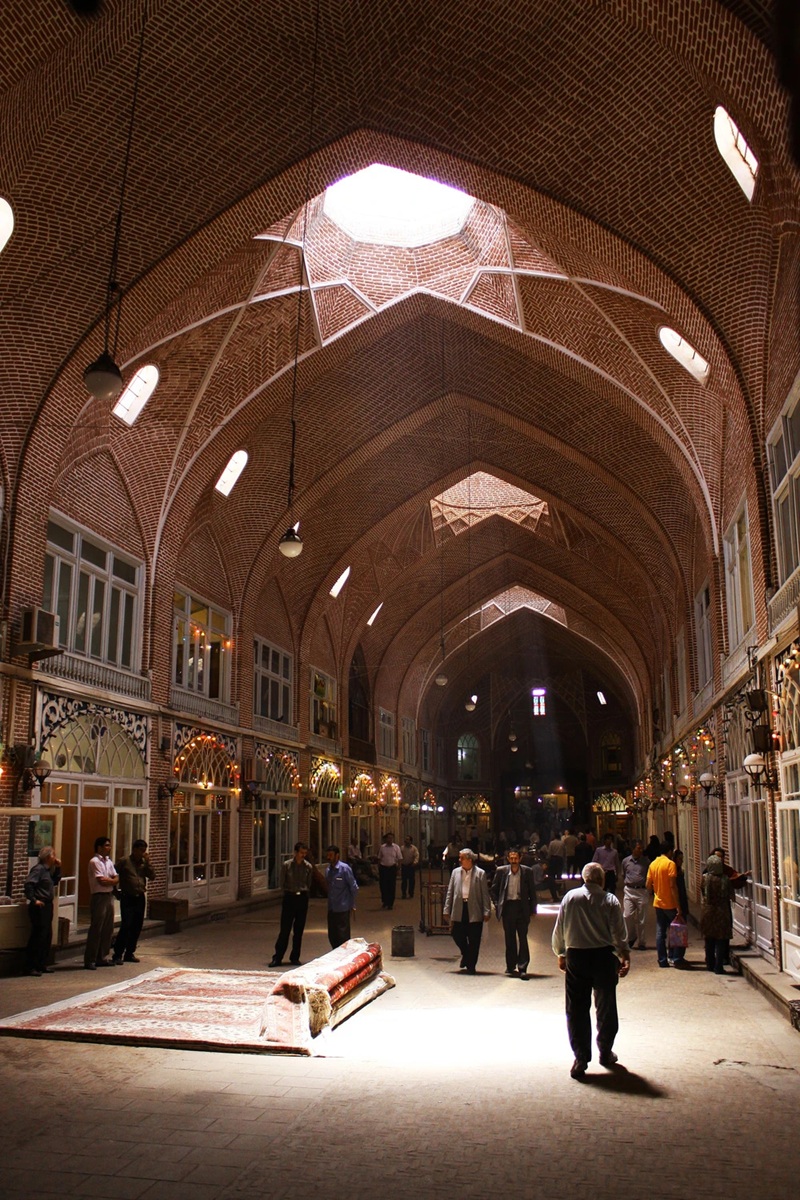
The Historic Bazaar of Tabriz is a vast network of covered passageways, courtyards, caravanserais, mosques, and commercial spaces. Situated along historic trade routes, it developed into one of the most important centers of commerce in the region. The bazaar illustrates how trade, religious life, craftsmanship, and urban organization became interconnected. Its architectural structure reflects the needs of merchants and shoppers while providing sheltered spaces suited to local climatic conditions. The complex remains a powerful symbol of Tabriz’s historical role in regional and international trade.
Takht-e Soleyman
Year of inscription: 2003
Location: West Azerbaijan Province
Takht-e Soleyman is an archaeological complex built around a natural lake and associated with important religious and royal traditions of the Sassanid period. The remains include a fortified enclosure, religious structures, and other buildings arranged around the central water feature. The site was closely associated with Zoroastrian religious practice and later experienced additional phases of occupation. Its combination of natural setting, monumental architecture, and religious significance makes it an exceptional archaeological landscape. Takht-e Soleyman provides insight into the relationship between landscape, belief, and royal authority in pre-Islamic Iran.
The Persian Caravanserai
Year of inscription: 2023
Location: Multiple provinces across Iran
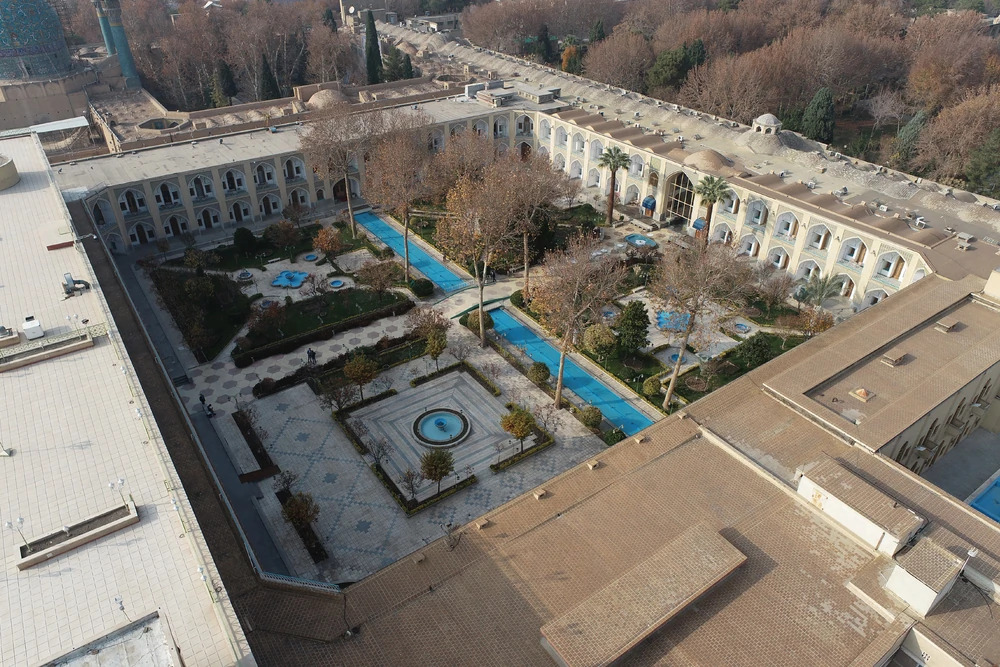
The Persian Caravanserai property includes a selection of historic roadside inns that supported travel and commerce across Iran. Caravanserais offered merchants, travelers, animals, and goods a place to rest and obtain shelter along long-distance routes. Their designs vary according to location and period, but many feature enclosed courtyards, rooms arranged around the perimeter, storage areas, and entrances that could be secured. These buildings formed an essential part of the infrastructure that sustained trade and movement across challenging terrain. Together, the selected caravanserais illustrate the importance of hospitality, transport, and commercial networks in Iranian history.
The Persian Garden
Year of inscription: 2011
Location: Multiple provinces across Iran
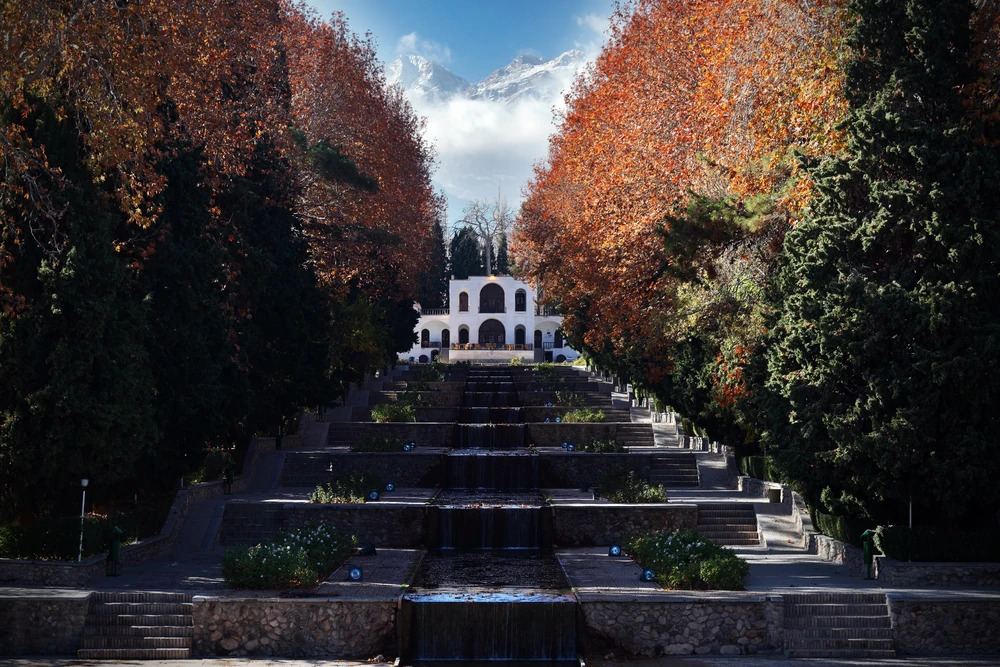
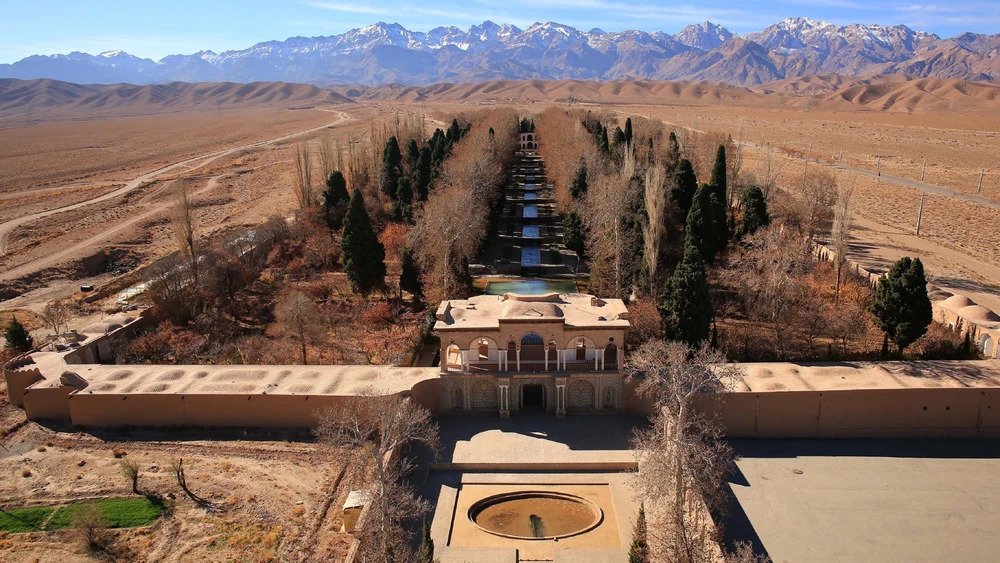
The Persian Garden property includes nine gardens in different parts of the country. These gardens represent a long tradition of landscape design that combines geometry, water, vegetation, architecture, and carefully organized spaces. A characteristic feature is the division of the garden into structured sections, often associated with the traditional concept of the four-part garden. Water plays both a practical and symbolic role, contributing to cooling, irrigation, visual harmony, and the experience of the space. The selected gardens demonstrate how Persian garden design adapted to different climates while preserving a recognizable cultural tradition.
The Persian Qanat
Year of inscription: 2016
Location: Multiple provinces across Iran
Qanats are traditional underground water channels that transport groundwater from higher elevations to settlements and agricultural land. They typically consist of a gently sloping tunnel connected to a series of vertical shafts used during construction and maintenance. The system allows water to flow largely by gravity and can reduce losses from evaporation in arid environments. Qanats have supported agriculture, settlement, and community life across Iran for centuries. The UNESCO property includes selected examples of this engineering tradition, demonstrating the knowledge required to manage scarce water resources in dry landscapes.
Trans-Iranian Railway
Year of inscription: 2021
Location: Railway corridor crossing multiple provinces
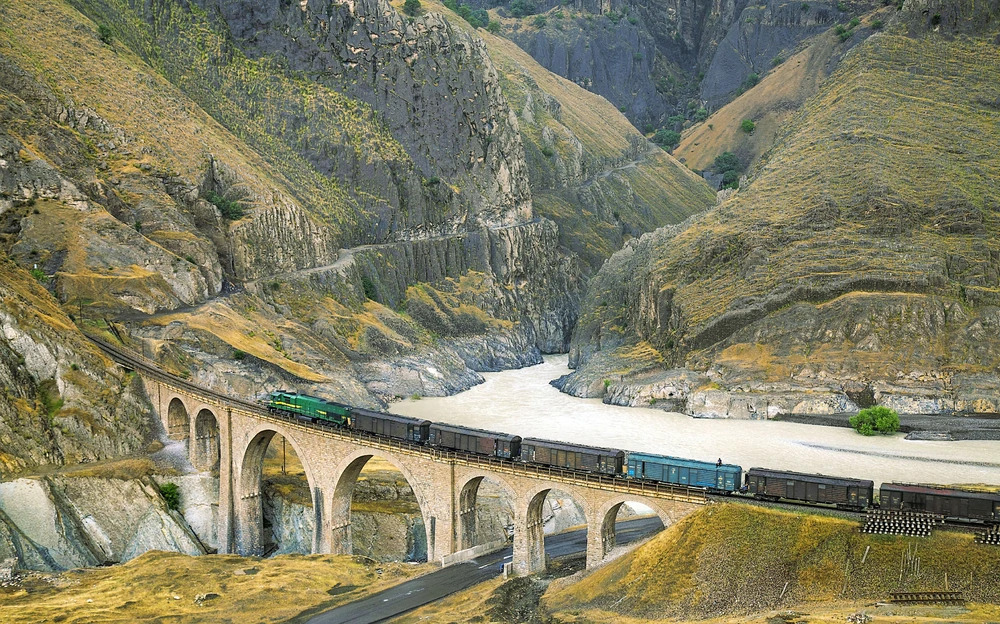
The Trans-Iranian Railway was constructed between 1927 and 1938 and links the Caspian Sea region with the Persian Gulf. Its construction required extensive engineering across mountains, valleys, plains, and other challenging terrain. The railway includes bridges, tunnels, embankments, and other structures that demonstrate the scale of the project. It played a major role in the development of modern transport infrastructure in Iran. The property illustrates the relationship between engineering, geography, and national development during the twentieth century.
Armenian Monastic Ensembles of Iran
Year of inscription: 2008
Location: East Azerbaijan and West Azerbaijan provinces
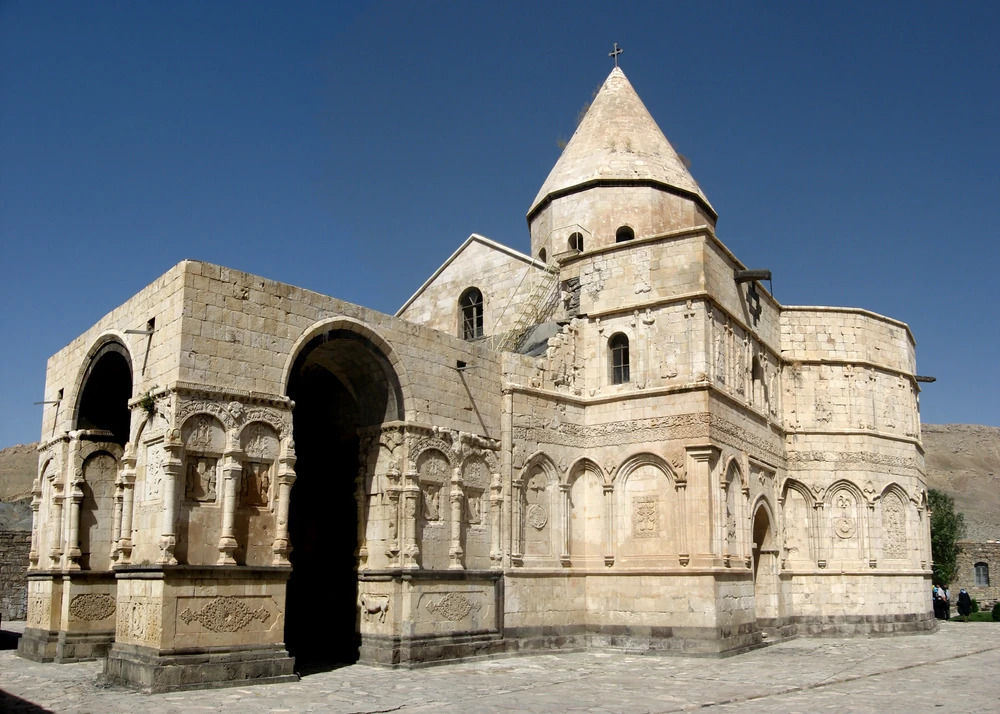
This property includes three Armenian monastic ensembles: Saint Thaddeus, Saint Stepanos, and the Chapel of Dzordzor. The complexes preserve important evidence of Armenian Christian religious life and architectural traditions in northwestern Iran. Their churches and associated buildings feature distinctive masonry, decorative details, and elements reflecting exchanges between regional artistic traditions. The ensembles also demonstrate the long-standing presence of Armenian communities in the area. They remain important destinations for understanding the religious and cultural diversity of Iran’s historical landscape.
Bam and its Cultural Landscape
Year of inscription: 2004
Location: Kerman Province
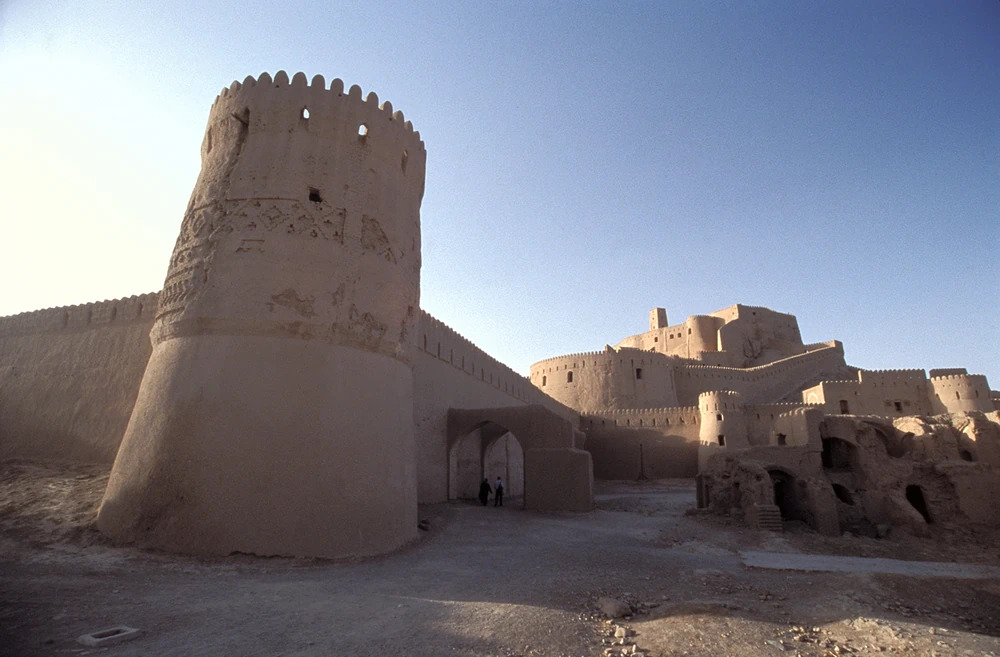
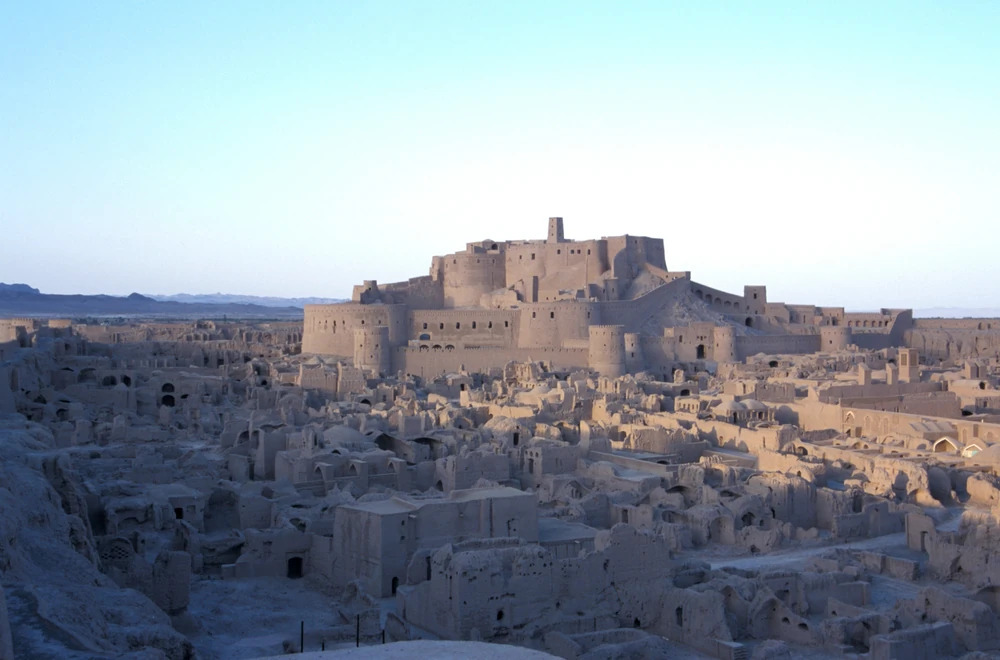
Bam is known for its historic citadel and surrounding cultural landscape in southeastern Iran. The ancient settlement developed in an arid environment where access to water and the management of agricultural land were essential to survival. The historic city incorporated defensive structures, residential areas, and systems associated with water management. Its architecture reflects traditional techniques suited to the region’s climate and available materials. The 2003 earthquake severely damaged the citadel, prompting major conservation efforts. Bam remains significant both for its historical architecture and for the lessons it offers in heritage conservation.
Alamūt Castle and Related Fortifications
Year of inscription: 2026
Location: Qazvin Province
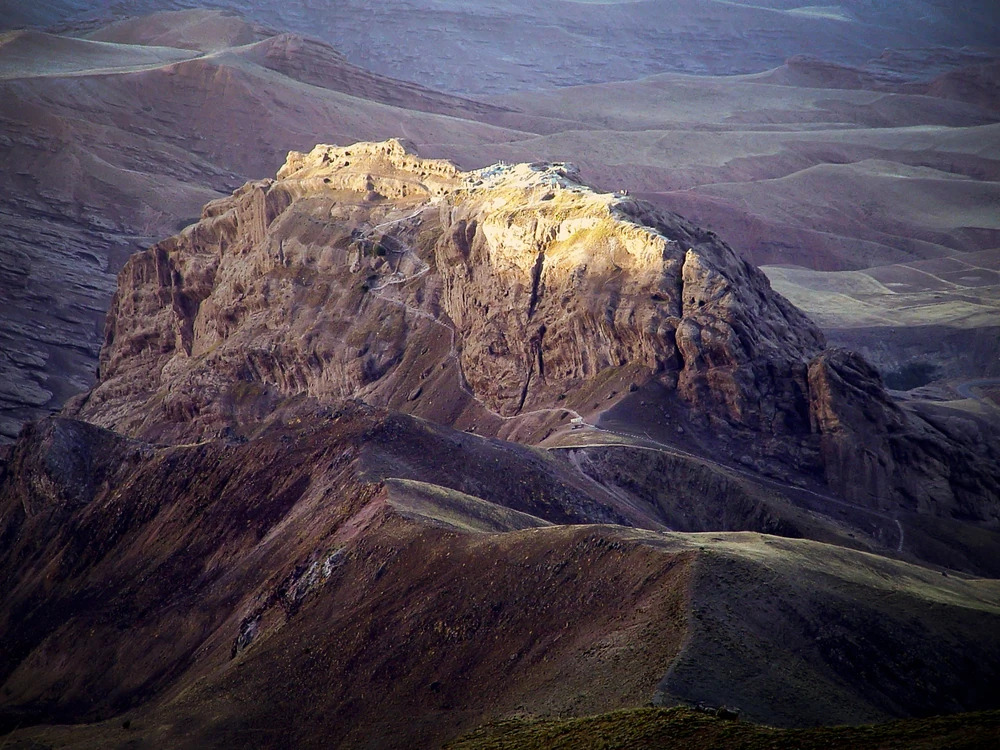
The UNESCO property comprises Alamūt Castle and six related fortifications distributed across the rugged landscape of the Alborz Mountains. From the late eleventh century, Alamūt became the political, military, and intellectual center of the Nizari Ismaili state associated with Hasan Sabbah. The fortifications were positioned strategically across mountainous terrain, taking advantage of steep slopes and natural defenses. Their remains reveal the organization of a defensive network as well as the historical significance of the region as a center of political and intellectual activity. The property provides insight into the history of the Nizari Ismailis and the role of mountain strongholds in medieval Iran.
Hyrcanian Forests
Year of inscription: 2019, extended in 2023
Location: Southern Caspian region across several provinces
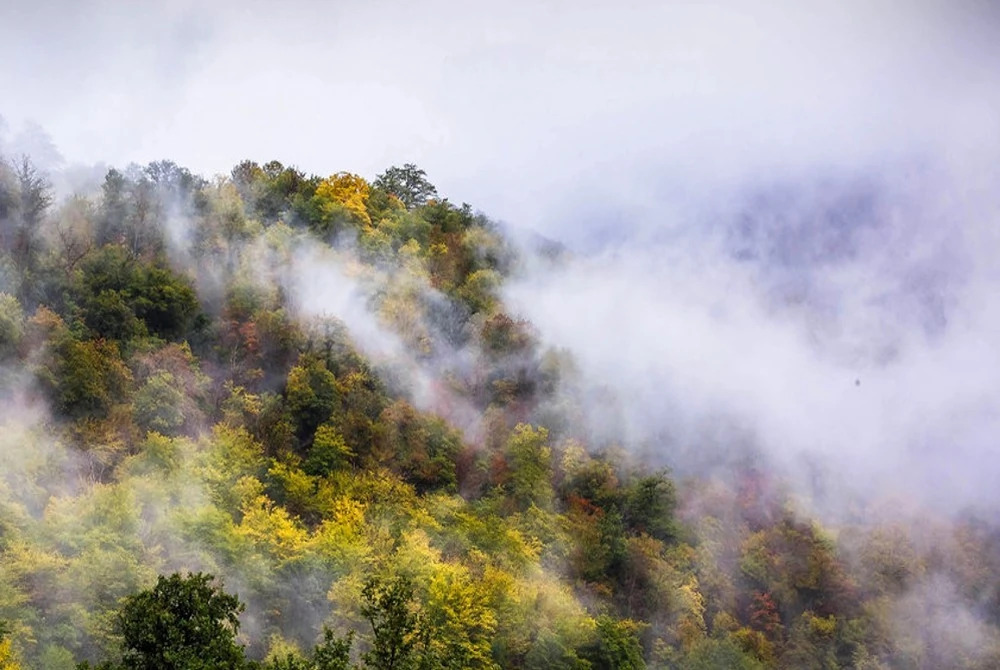
The Hyrcanian Forests form a broad belt of temperate broadleaf forest along the southern shores of the Caspian Sea. These forests preserve ancient ecological communities and provide habitat for diverse plant and animal species. Their complex topography, varying elevations, and humid climate have helped sustain distinctive ecosystems. The forests also play an important role in soil protection, water regulation, and regional biodiversity. Unlike the archaeological and architectural properties on this list, the Hyrcanian Forests are recognized primarily for their natural value and ecological significance.
Lut Desert
Year of inscription: 2016
Location: Primarily Kerman and South Khorasan provinces
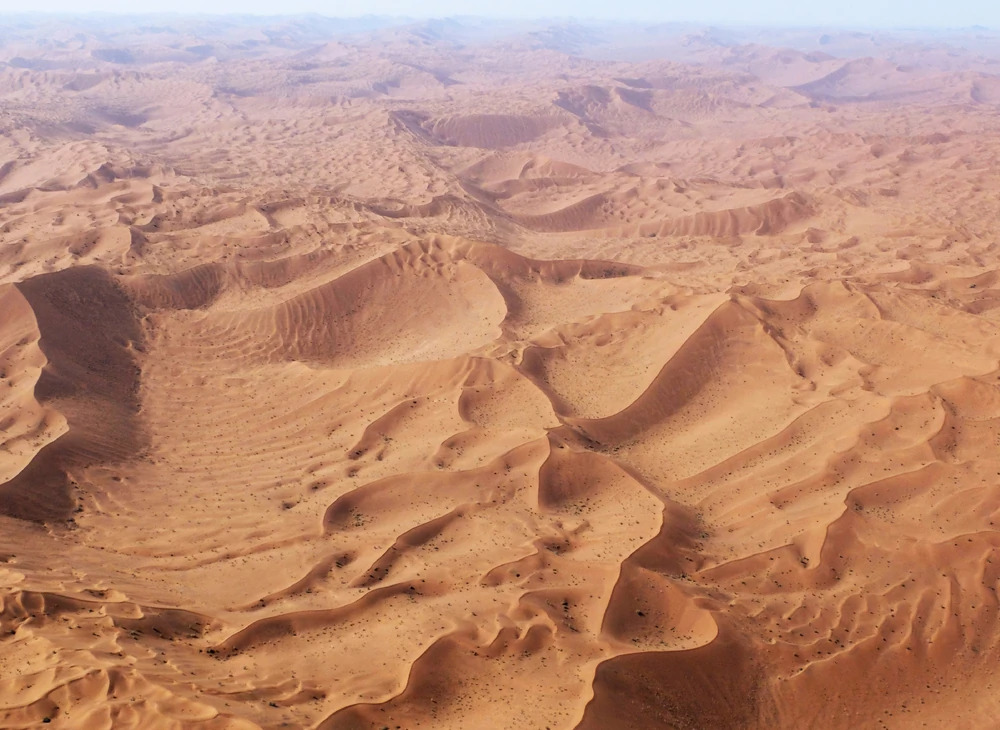
The Lut Desert, also known as Dasht-e Lut, is one of Iran’s most remarkable natural landscapes. It contains vast sandy and stony areas, dramatic landforms, and extensive yardangs—ridges sculpted by wind erosion. The desert’s extreme environmental conditions and distinctive geological features make it important for understanding landform development in arid regions. Its landscapes demonstrate the powerful effects of wind, temperature, and long-term erosion. Visiting the Lut requires careful planning, particularly for remote areas where heat, distance, and limited infrastructure can create serious risks. Any trip should be arranged according to current local conditions and appropriate safety guidance.
How to Use This Guide to Explore Iran’s Heritage
Iran’s 30 UNESCO World Heritage properties represent only part of the country’s cultural and natural attractions, but they provide an excellent starting point for exploring its history and landscapes. Some are located within major cities, while others require dedicated journeys and more detailed planning. When choosing destinations, consider the time available, the distance between sites, the best season for the region, and the type of experience you want. Grouping nearby sites into regional itineraries can make travel more efficient and allow more time for each destination. For complex journeys, especially those involving remote archaeological sites or several provinces, professional assistance with transport, accommodation, route planning, and local arrangements may simplify the process.
Knowing which sites are worth visiting is only the first step. The next challenge is deciding how to reach them, which destinations can be combined, how much time to allow, and how to plan transport and accommodation. You can continue reading here, the first part of the article where the rest of 30 sites are introduced.
Our companion guide, “How to Travel to Iran’s UNESCO World Heritage Sites: Choosing Destinations and Planning Your Itinerary,” explores these practical questions and offers a framework for planning a trip around Iran’s most significant UNESCO-listed places.