
UNESCO World Heritage Sites in Iran: A Complete Guide-Part One
- 25 October 2026
- علیرضا خزاعی

Iran is home to an extraordinary range of cultural and natural heritage, from ancient cities and monumental palaces to historic bazaars, Persian gardens, underground water systems, and remarkable landscapes. These places reflect thousands of years of human history, artistic achievement, engineering, and adaptation to diverse environments.
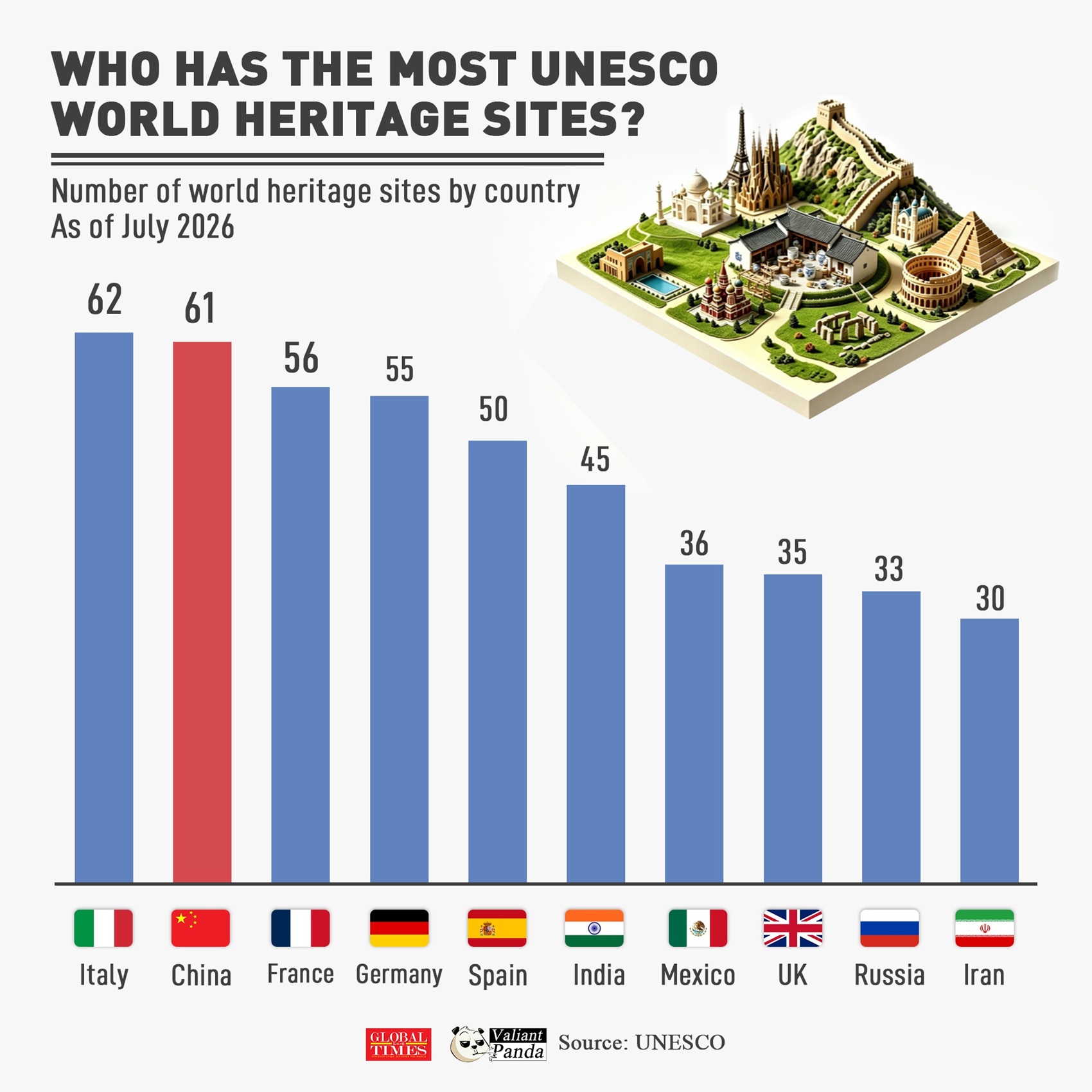
As of October 2026, Iran has 30 properties inscribed on the UNESCO World Heritage List: 28 cultural sites and 2 natural sites. The newest addition is Alamūt Castle and Related Fortifications, inscribed in 2026. This guide introduces all 30 sites, explaining their historical or cultural significance and where they are located. Whether you are interested in ancient Persian civilizations, Islamic architecture, traditional landscapes, or natural wonders, these sites offer a broad introduction to Iran’s heritage.
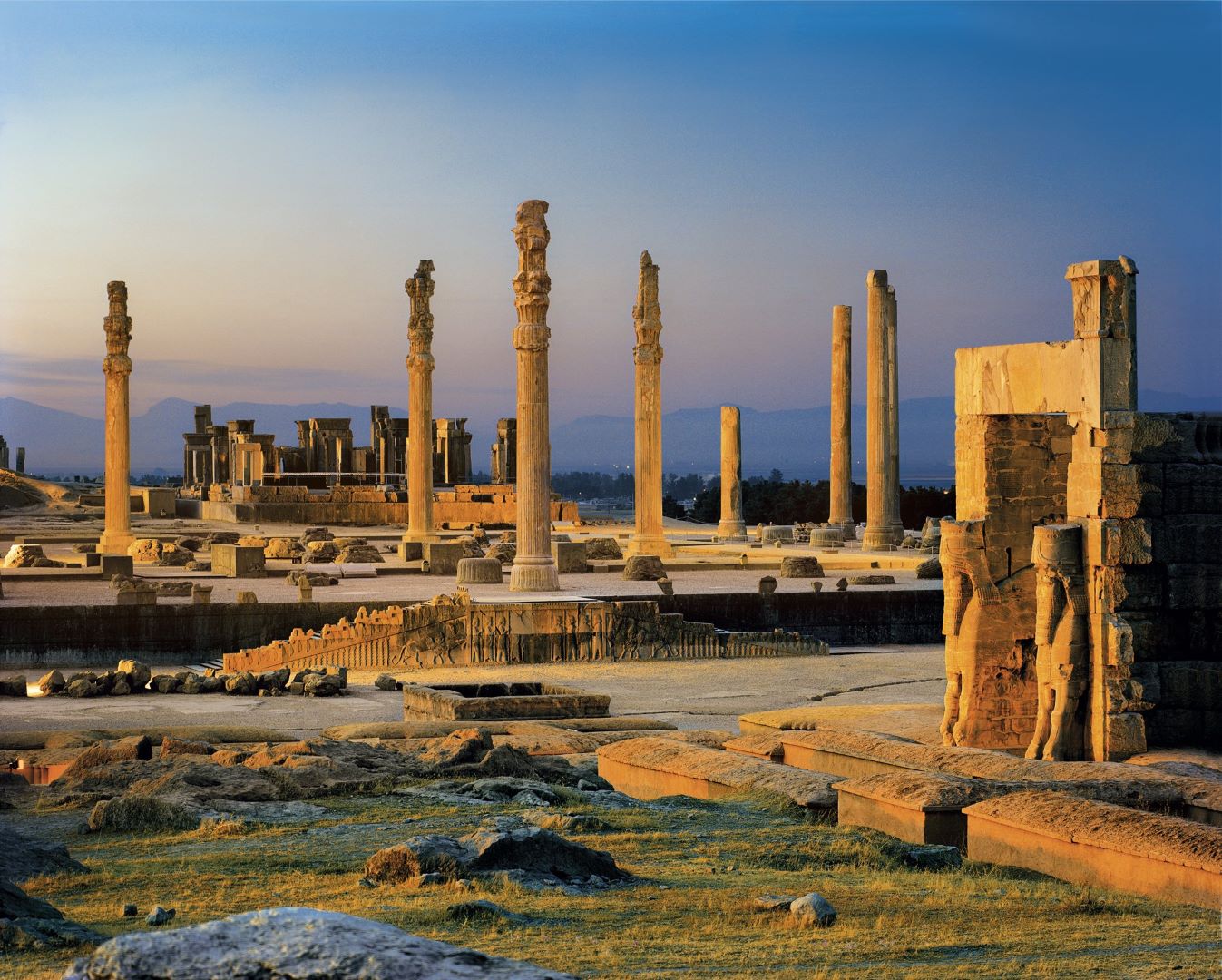
Persepolis
Year of inscription: 1979
Location: Fars Province
Persepolis was the ceremonial capital of the Achaemenid Empire, founded by Darius I around 518 BCE. Located near modern-day Shiraz, the archaeological complex is famous for its monumental staircases, imposing gateways, stone columns, and intricate reliefs depicting representatives of the empire’s many peoples.The surviving structures reveal the administrative reach, artistic sophistication, and political ambitions of the Achaemenid rulers. Persepolis is one of the most recognizable symbols of ancient Persian civilization.
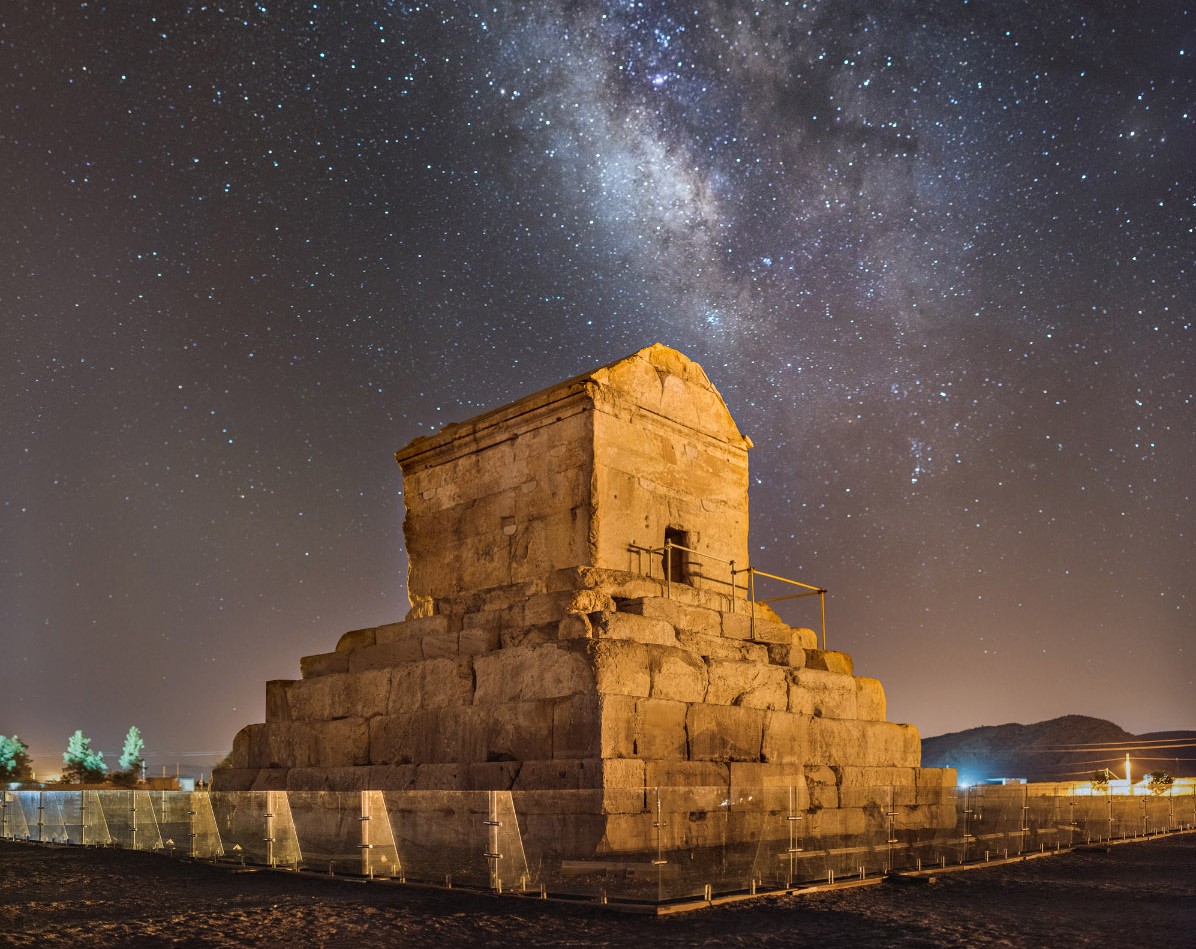
Pasargadae
Year of inscription: 2004
Location: Fars Province
Pasargadae was the first dynastic capital of the Achaemenid Empire, established by Cyrus the Great in the sixth century BCE. The archaeological landscape includes the Tomb of Cyrus, the remains of palaces, gardens, and other structures associated with the early Persian imperial tradition. Its architecture and spatial organization reflect important developments in Persian royal design. Pasargadae also provides insight into the origins of Achaemenid political and cultural identity.
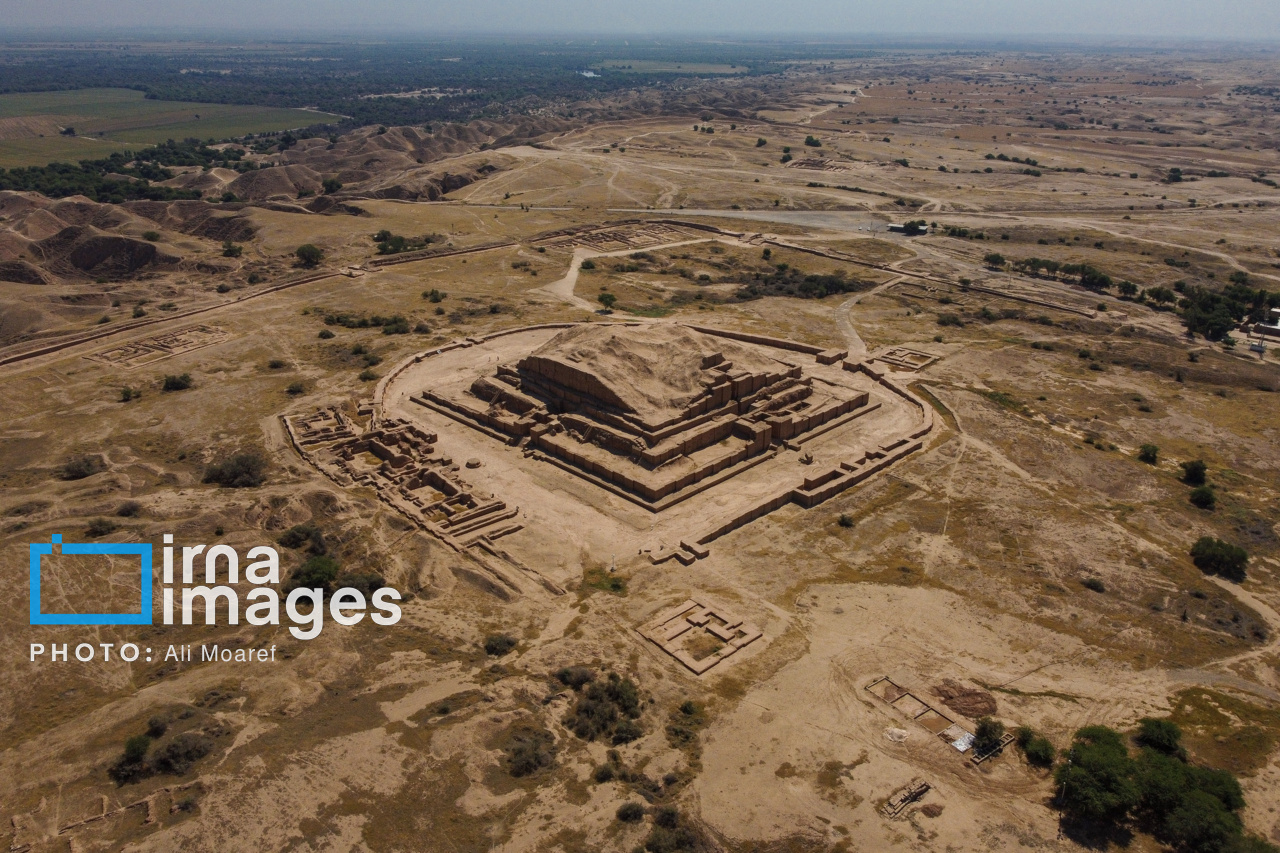
Tchogha Zanbil
Year of inscription: 1979
Location: Khuzestan Province
Tchogha Zanbil is the remains of an ancient Elamite religious complex founded in the thirteenth century BCE by King Untash-Napirisha. Its most prominent feature is the great ziggurat, a monumental stepped structure built as part of a sacred city. The site preserves evidence of Elamite religious beliefs, urban planning, and construction techniques. Its exceptional state of preservation makes it one of the most important archaeological sites associated with the civilization of Elam.
Bisotun
Year of inscription: 2006
Location: Kermanshah Province
Bisotun lies along an ancient route through western Iran and is best known for its monumental inscription commissioned by Darius I in the sixth century BCE. The inscription, accompanied by reliefs, records the king’s account of his rise to power and his victories over challengers. Written in several ancient languages, the inscription played a major role in the modern decipherment of cuneiform. The wider archaeological landscape also contains remains from different periods, illustrating the long-standing importance of the location.
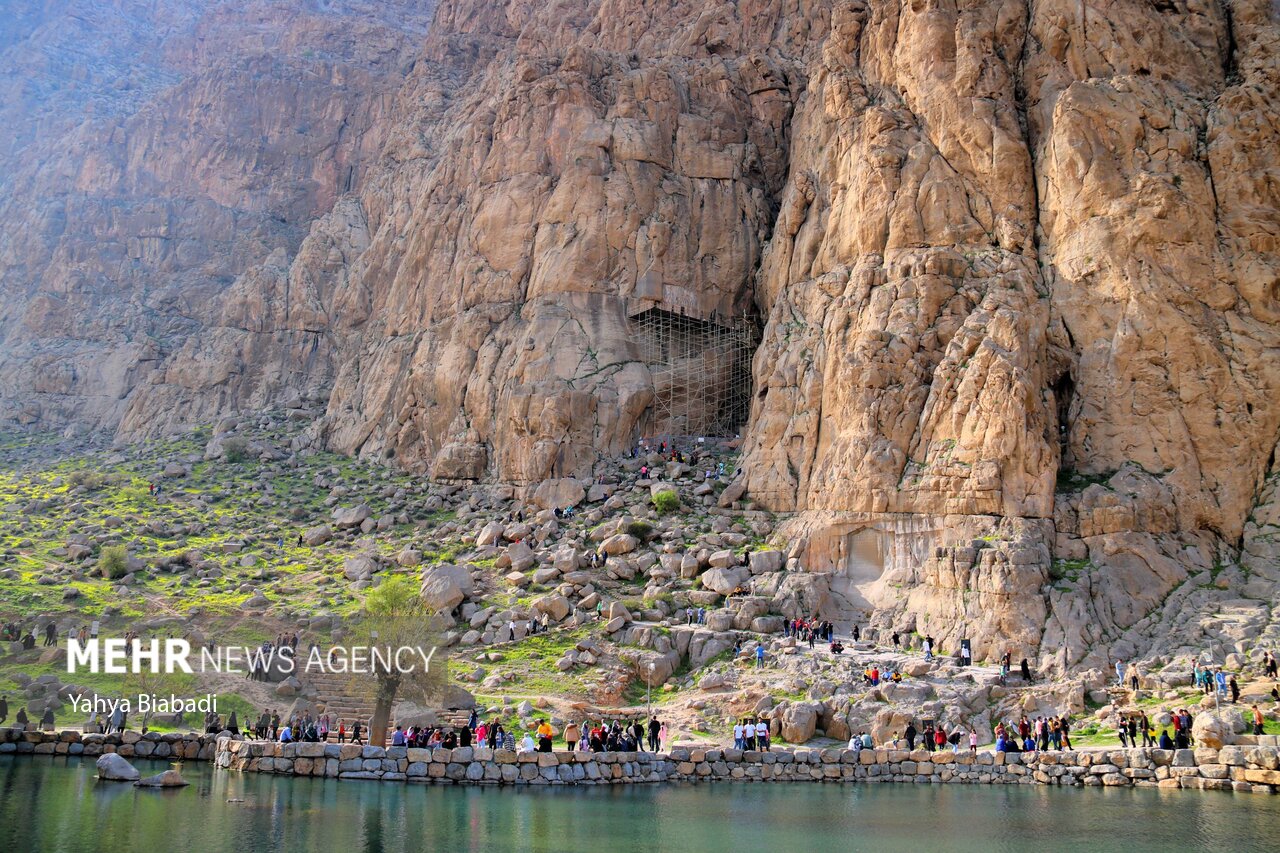
Cultural Landscape of Hawraman/Uramanat
Year of inscription: 2021
Location: Kurdistan and Kermanshah provinces
Hawraman/Uramanat is a mountainous cultural landscape shaped by centuries of human settlement, agriculture, animal husbandry, and adaptation to difficult terrain. Its villages are known for their distinctive architecture, often built on steep slopes, with the roofs of lower houses serving as courtyards for those above. The region’s terraces, seasonal movement patterns, traditional livelihoods, and community customs demonstrate how people have adapted to a rugged environment. Its cultural value lies not only in its buildings but also in the relationship between local communities and their landscape.
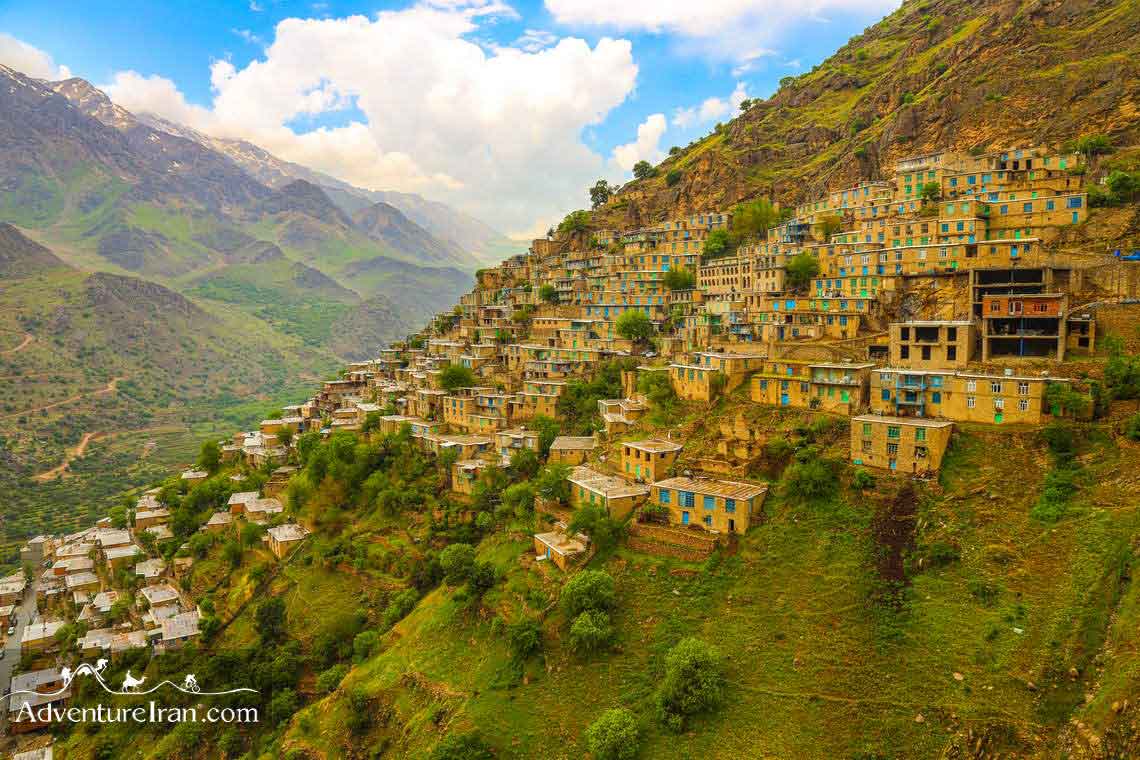
Cultural Landscape of Maymand
Year of inscription: 2015
Location: Kerman Province
Maymand is a traditional settlement in a dry, mountainous region of southeastern Iran. Some of its dwellings are carved directly into soft rock, creating distinctive underground or semi-underground living spaces. The settlement reflects a long tradition of adapting architecture and livelihoods to local environmental conditions. Seasonal patterns of movement, pastoral activities, and the use of natural materials contribute to its cultural significance. Maymand offers an example of how communities have developed distinctive ways of living in challenging landscapes.
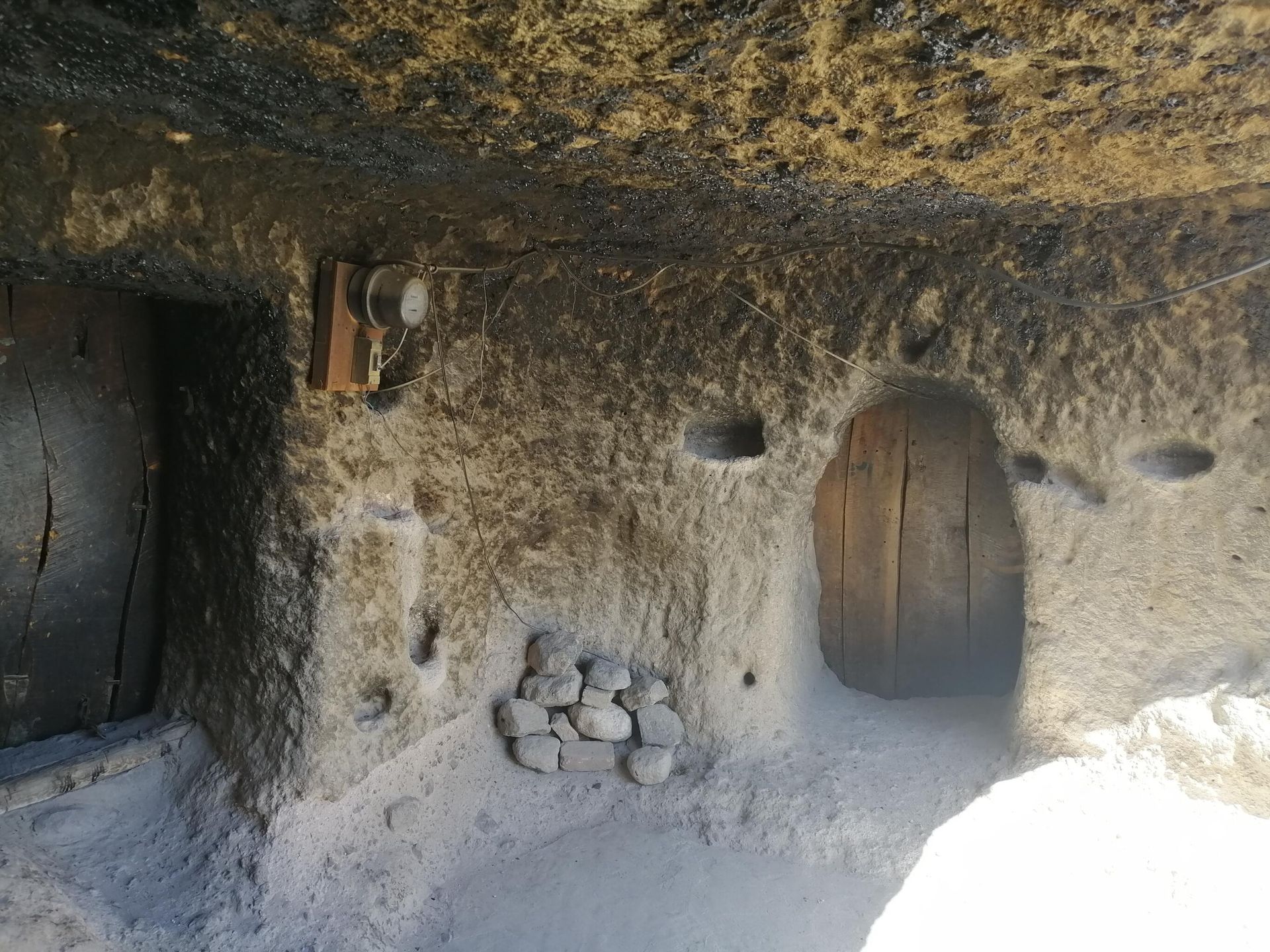
Golestan Palace
Year of inscription: 2013
Location: Tehran Province
Golestan Palace is a historic royal complex in central Tehran associated particularly with the Qajar dynasty. Its buildings, courtyards, decorative tiles, mirror work, paintings, and gardens reflect a period when Iranian court culture incorporated both longstanding Persian traditions and new artistic influences. The palace illustrates the development of royal architecture and decorative arts during a transformative period in Iran’s modern history. Its combination of traditional craftsmanship and nineteenth-century influences makes it an important cultural landmark in the capital.
Gonbad-e Qābus
Year of inscription: 2012
Location: Golestan Province
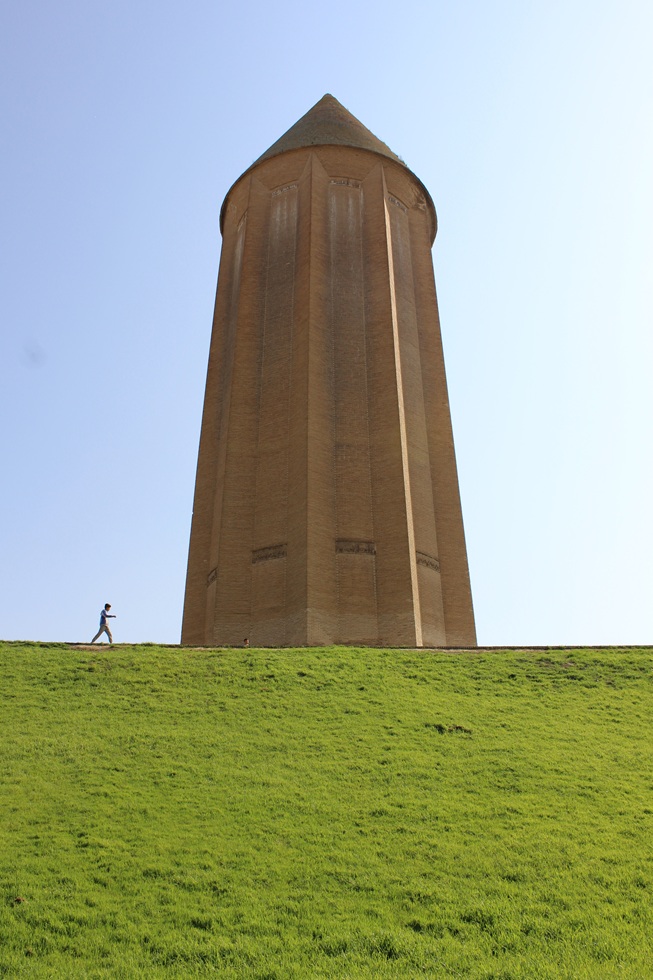
Gonbad-e Qābus is a monumental brick tower completed in 1006–1007 CE. Rising above the surrounding landscape, it is notable for its tall cylindrical form, geometrically designed exterior, and conical roof. The tower demonstrates the technical skill of medieval Iranian builders and the importance of brick architecture in the region. Its simple but powerful design has attracted attention from architectural historians for centuries. The monument stands as an outstanding example of early Islamic funerary architecture.
Hegmataneh
Year of inscription: 2024
Location: Hamadan Province
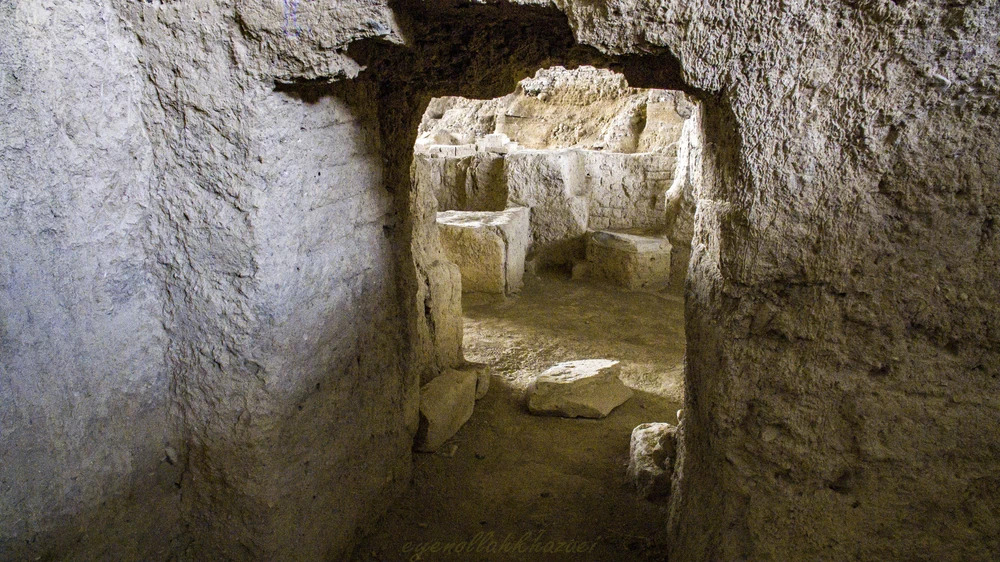
Hegmataneh, associated with the ancient city of Ecbatana, is one of Iran’s most important archaeological sites. Ecbatana served as a major political center in antiquity and was associated with the Medes and later Persian and other ruling powers. Archaeological evidence from the site helps researchers understand the development of early urban settlements and the political history of western Iran. Its layers of occupation reflect the region’s importance across multiple historical periods. The site adds a significant dimension to the study of ancient Iranian civilization beyond the better-known Achaemenid monuments.
Historic City of Yazd
Year of inscription: 2017
Location: Yazd Province
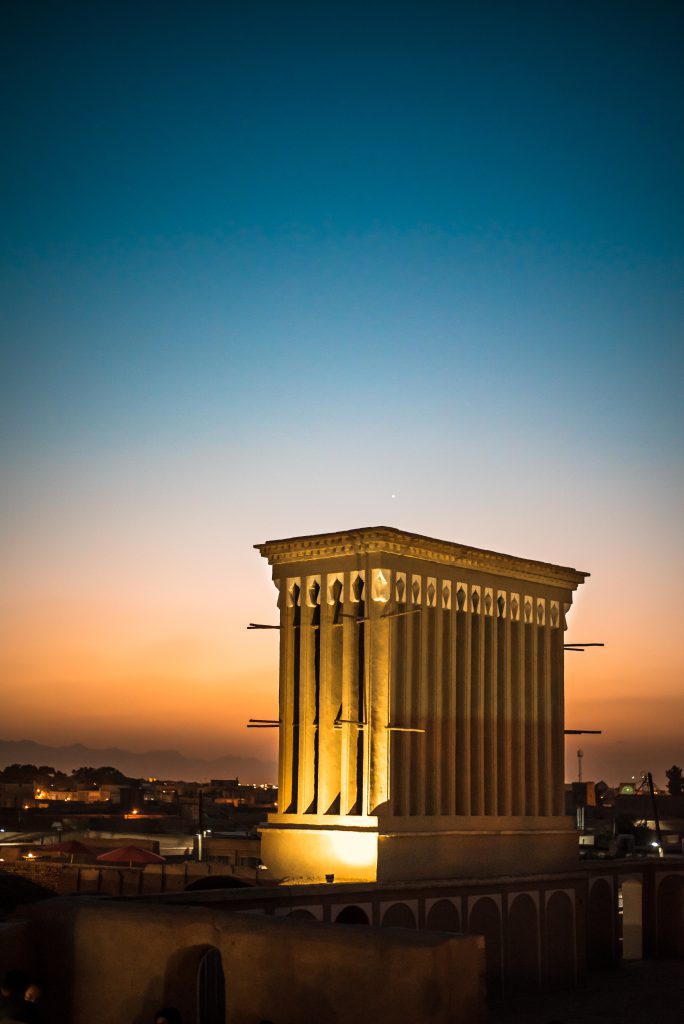
Yazd is renowned for its historic urban fabric, traditional earthen architecture, narrow lanes, courtyards, windcatchers, and sophisticated systems for managing water in an arid climate. The city developed over many centuries in an environment where heat and limited rainfall required innovative architectural solutions. Windcatchers helped ventilate buildings, while underground qanats transported water from distant sources. Yazd demonstrates how traditional urban design can respond effectively to environmental challenges while preserving a distinctive cultural identity.
Masjed-e Jāmé of Isfahan
Year of inscription: 2012
Location: Isfahan Province
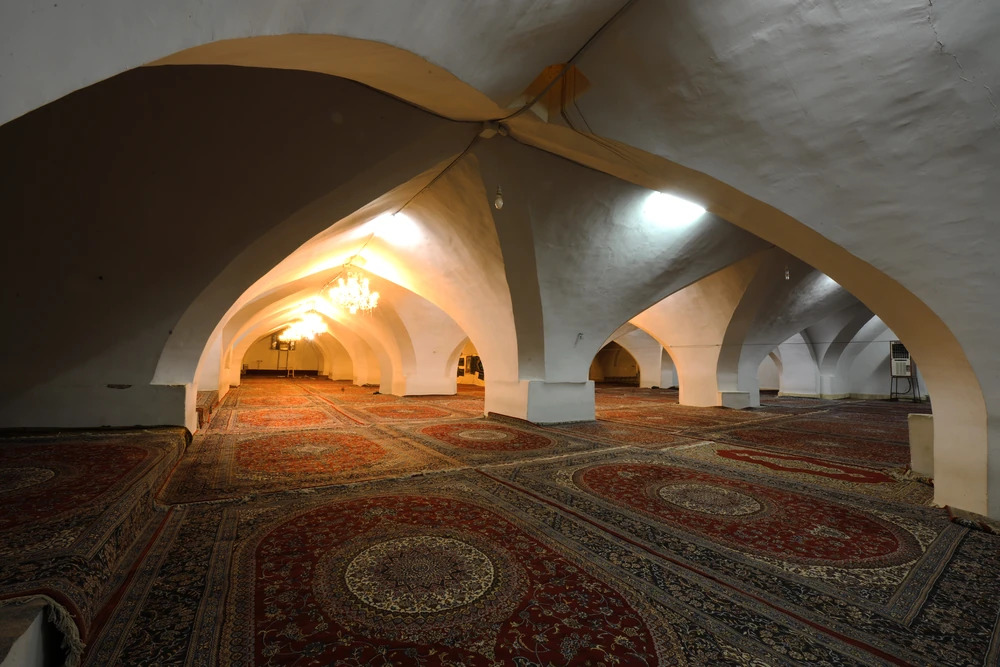
The Friday Mosque of Isfahan is one of the most significant monuments in the history of Islamic architecture. Its development spans many centuries, incorporating architectural features from different periods and demonstrating the evolution of mosque design. The complex is particularly notable for its four-iwan courtyard layout, domes, brickwork, and decorative tilework. It illustrates how architectural traditions developed and were adapted over time. For students of architecture and history, the mosque provides an exceptional record of changing artistic and construction practices in Iran.
Meidan Emam, Esfahan (Naqsh-e Jahan Square)
Year of inscription: 1979
Location: Isfahan Province
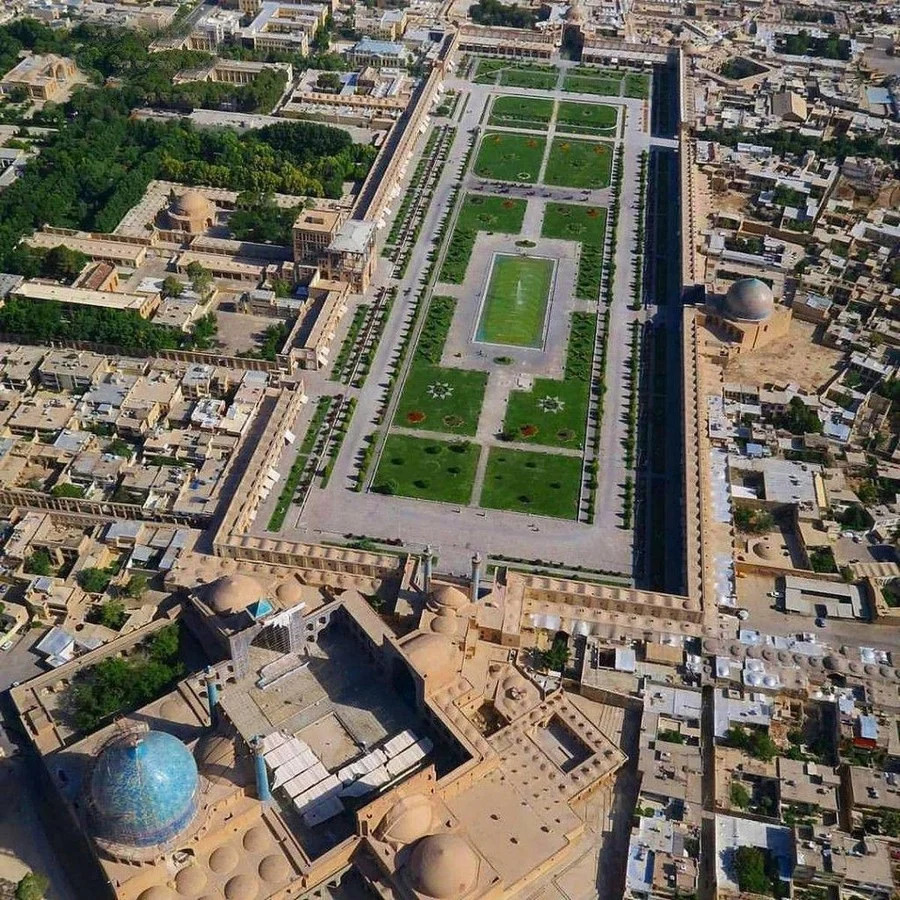
Naqsh-e Jahan Square was created during the Safavid period under Shah Abbas I in the early seventeenth century. It forms the historic center of Isfahan’s monumental urban design and is surrounded by important buildings, including the Shah Mosque, Sheikh Lotfollah Mosque, Ali Qapu Palace, and the entrance to the Grand Bazaar. The square served ceremonial, commercial, political, and social functions. Its scale and architectural harmony reflect the ambitions of Safavid Isfahan as a major imperial capital. Today, it remains one of the most celebrated examples of Persian urban planning.
Prehistoric Sites of the Khorramabad Valley
Year of inscription: 2025
Location: Lorestan Province
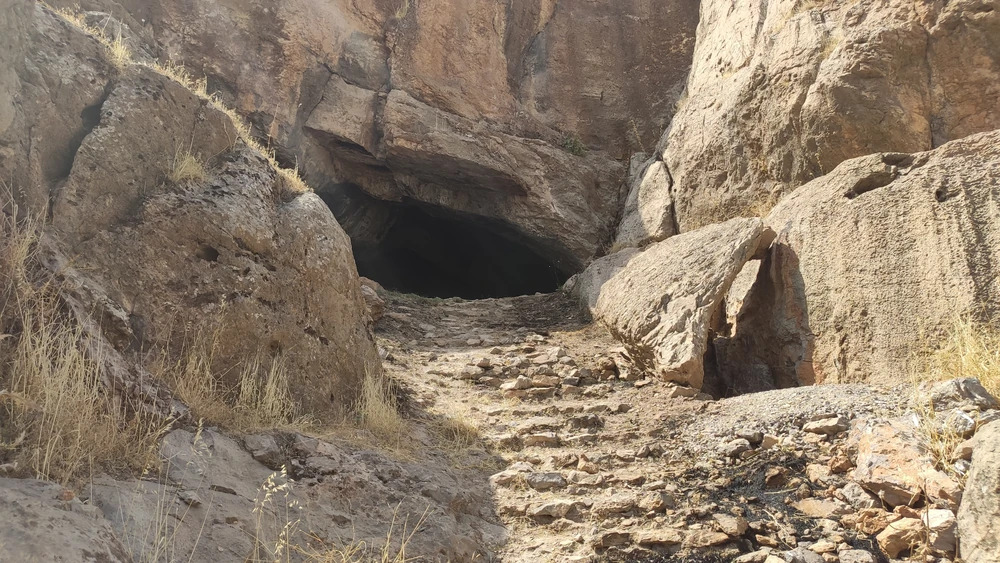
The Prehistoric Sites of the Khorramabad Valley preserve evidence of human presence extending back tens of thousands of years. The caves and rock shelters in the valley provide important archaeological information about prehistoric communities and their use of the landscape. Finds associated with these sites help researchers investigate early human settlement, toolmaking, subsistence, and changing environmental conditions. The valley is particularly important for understanding prehistoric occupation in the Zagros Mountains. Its significance lies in the evidence it preserves for the deep history of human life in the region.
Sassanid Archaeological Landscape of Fars Region
Year of inscription: 2018
Location: Fars Province
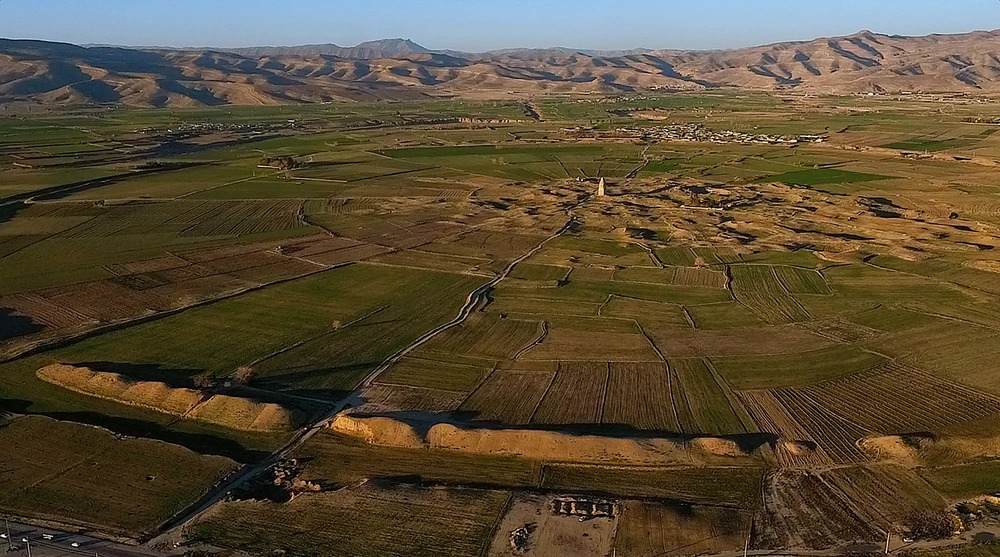
This property includes archaeological remains associated with the Sassanid Empire, which ruled much of the region between the third and seventh centuries CE. Its component sites include fortified settlements, palaces, and urban remains associated with the rise and development of Sassanid power. The landscape illustrates advances in architecture, defensive planning, and urban organization. It also reveals how the Sassanids built upon earlier Iranian traditions while developing a distinctive imperial culture. These sites are essential to understanding the history of pre-Islamic Iran and the political and cultural legacy of the Sassanid period.
Shahr-i Sokhta
Year of inscription: 2014
Location: Sistan and Baluchestan Province
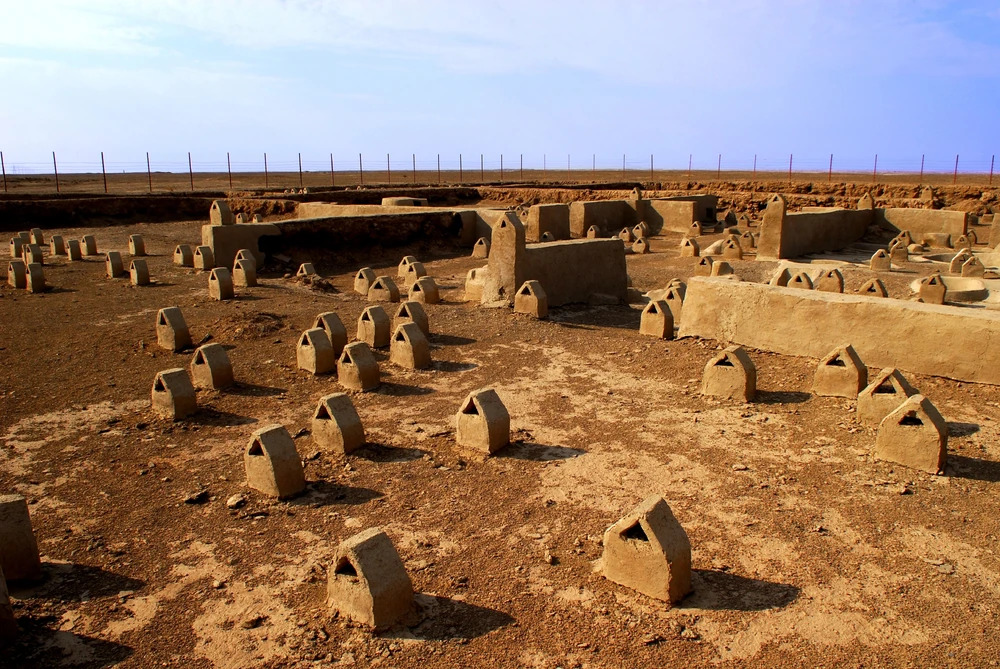
Shahr-i Sokhta, meaning “Burnt City,” is a major Bronze Age archaeological settlement in southeastern Iran. It flourished during the third millennium BCE and contains evidence of organized urban life, craft production, trade, and specialized activities. Archaeological discoveries have revealed sophisticated manufacturing techniques, burial practices, and evidence of connections with other communities across the region. The site demonstrates that complex societies developed in eastern Iran during the Bronze Age. Its remains provide an important window into early urban civilization and long-distance cultural exchange.
How to Use This Guide to Explore Iran’s Heritage
Iran’s 30 UNESCO World Heritage properties represent only part of the country’s cultural and natural attractions, but they provide an excellent starting point for exploring its history and landscapes. Some are located within major cities, while others require dedicated journeys and more detailed planning. When choosing destinations, consider the time available, the distance between sites, the best season for the region, and the type of experience you want. Grouping nearby sites into regional itineraries can make travel more efficient and allow more time for each destination. For complex journeys, especially those involving remote archaeological sites or several provinces, professional assistance with transport, accommodation, route planning, and local arrangements may simplify the process.
Knowing which sites are worth visiting is only the first step. The next challenge is deciding how to reach them, which destinations can be combined, how much time to allow, and how to plan transport and accommodation. You can continue reading here, the second part of the article where the rest of 30 sites are introduced.
Our companion guide, “How to Travel to Iran’s UNESCO World Heritage Sites: Choosing Destinations and Planning Your Itinerary,” explores these practical questions and offers a framework for planning a trip around Iran’s most significant UNESCO-listed places.