
Tehran Unveiled: A Journey Through Iran's Cosmopolitan Heart
- 17 December 2025
- امیرحسین عباسی

The Alborz Mountains rise like ancient sentinels behind Tehran, their snow-capped peaks visible from nearly every neighborhood in Iran's sprawling capital. This juxtaposition of urban intensity and natural grandeur defines the city's character—a metropolis where centuries-old bazaars pulse with commerce mere blocks from gleaming towers, where the call to prayer echoes across streets lined with contemporary art galleries, and where thirteen million souls navigate daily life with an unexpected warmth that catches first-time visitors off guard.
Tehran defies the expectations most international travelers carry when they first consider Iran tourism. This is not a museum city frozen in time, nor is it the austere landscape often portrayed in Western media. Instead, Tehran reveals itself as a living, breathing complexity—a place where tradition and modernity negotiate their coexistence in fascinating ways, and nation's cultural heartbeat resonates.
The Grand Bazaar and the Soul of Commerce
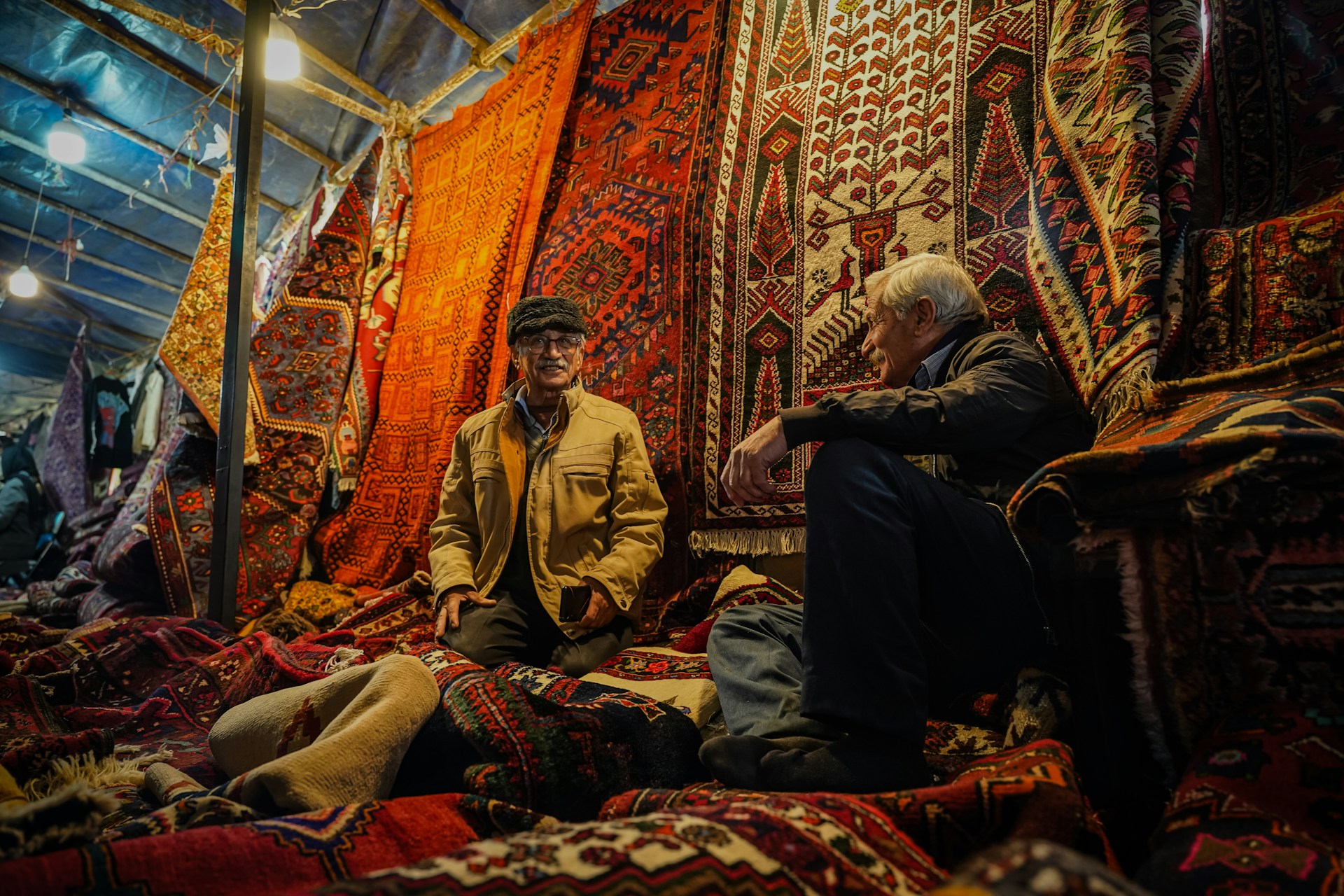
The Tehran Grand Bazaar stretches across 6 miles of vaulted corridors, its labyrinthine passages unchanged in their essential character for over two centuries. Stepping through its gates means entering a sensory universe where the aroma of saffron mingles with leather, where brass merchants hammer their wares in workshops that have passed through generations, and where the particular Tehran accent that is clipped, fast-paced, and distinctly urban compared to other Iranian dialects—rises in negotiation and greeting.
This is where Iran's economic pulse has beaten since the Qajar era, and walking these passages offers insights no guidebook adequately captures. Carpet sellers spread their treasures across stone floors, each knot representing hours of labor from distant villages. Gold merchants display their craft in shop fronts that gleam even in the bazaar's filtered light. The scent of cardamom-spiced tea drifts from tiny stalls where traders pause between transactions, and the entire ecosystem operates according to rhythms established long before the modern city grew around it.
Understanding the bazaar requires patience and cultural fluency. The practice of taarof, the intricate Persian system of polite refusal and counter-offer, reaches its most refined expression here. A merchant's initial price opens a dance of negotiation that serves social purposes as much as economic ones. Foreign visitors who rush this process miss not just better prices but the genuine human connection that Tehranis value in commercial exchange.
Architectural Layers of Empire and Revolution
Tehran's relatively young age as a capital selected only in 1786. Means its Persian architecture in Tehran City represents a compressed timeline of dynastic ambition and political transformation. The Golestan Palace complex stands as the crown jewel of this heritage, its mirrored halls and intricate tilework epitomizing Qajar era opulence. Walking through its gardens and pavilions reveals the aesthetic sensibilities of 19th-century Persian royalty, when Iranian monarchs attempted to synthesize traditional design with European influences.
The blue and turquoise ceramics that adorn the palace's Marble Throne Hall catch light in ways that seem almost liquid, a testimony to craftsmen who elevated tilework to high art. Each room tells stories of diplomatic receptions, royal ceremonies, and the daily life of a court that ruled during Iran's painful encounter with modernization. The photographs displayed throughout Iran's monarchs were early enthusiasts of photography provide haunting windows into faces and fashions from a vanished world.
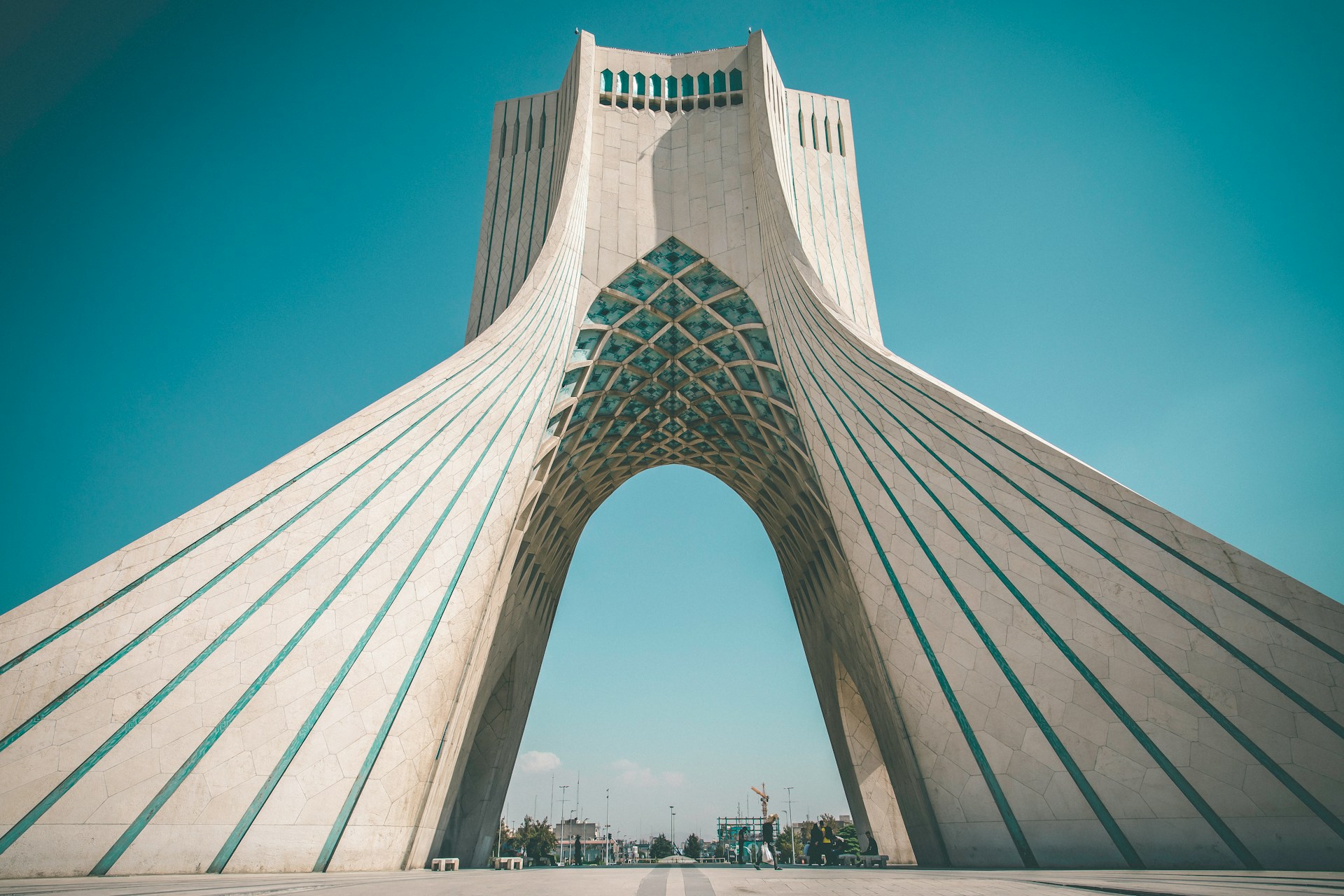
Yet Tehran's architectural significance extends far beyond its royal past. The Azadi Tower, erected in 1971, rises like a contemporary interpretation of ancient forms, its white marble arches referencing both Islamic and Sassanian design principles. This monument marks Tehran's western gateway, and its surrounding square serves as the city's unofficial stage for public gatherings and celebrations. The structure embodies the tension between heritage and progress that defines much of Tehran's built environment.
Scattered throughout the city, dozens of smaller historical houses survive as museums and cultural centers. The Moghadam Museum, housed in a Qajar era residence, preserves not just artifacts but an entire way of domestic life. Its interior courtyard, with its reflection pool and fruit trees, demonstrates the traditional Persian approach to private space inward looking, serene, separated from the street's chaos by high walls and heavy doors.
Mountains, Museums, and Urban Escapes
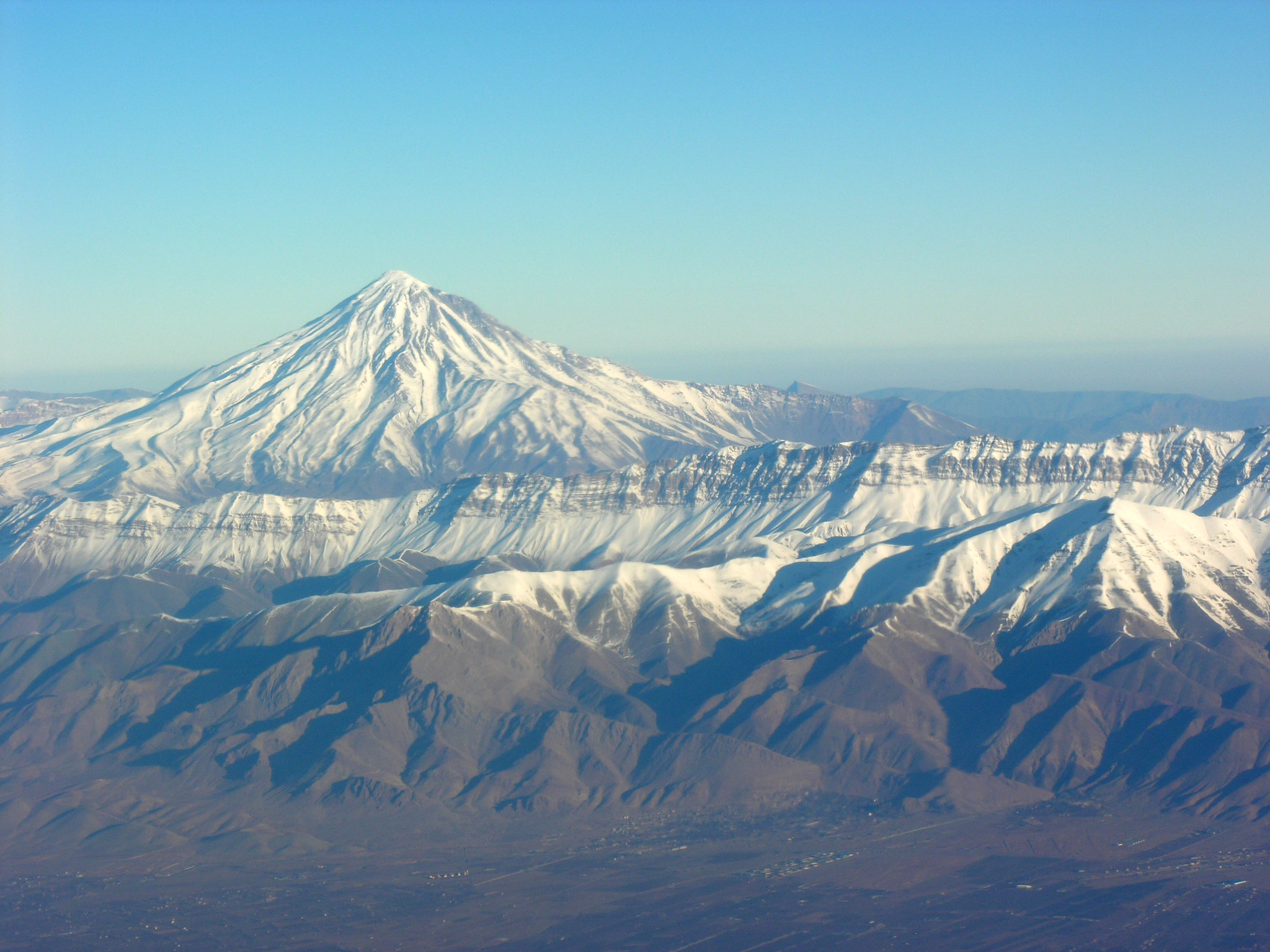
The Alborz range is not mere scenery for Tehran but an integral part of urban life. Darband, at the city's northern reaches, offers immediate access to mountain trails where residents hike, picnic, and escape the urban density. The path winds upward past tea houses built into the mountainside, where Tehranis of all ages gather over glasses of black tea and plates of fresh herbs, their conversations mixing Farsi with the occasional English phrase in a city increasingly connected to global culture.
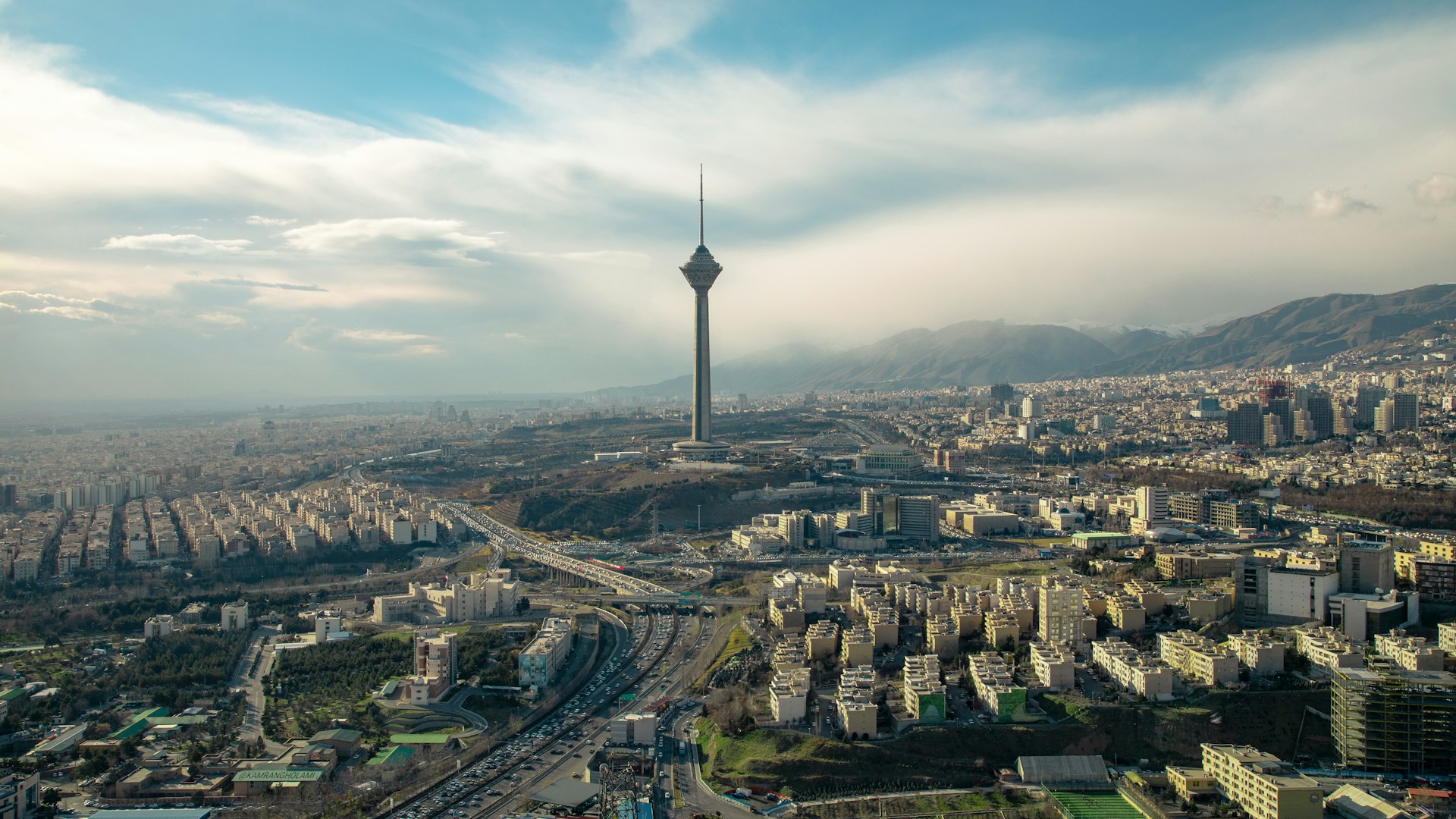
This proximity to wilderness provides Tehran with breathing space, quite literally the air grows noticeably cleaner as elevation increases. On clear days, the view from these heights reveals the city's true scale, a metropolitan area that stretches toward the horizon, its growth over recent decades transforming what was once a modest town into one of the Middle East's largest cities.
The city's museums anchor Tehran's position as Iran's cultural capital. The National Museum of Iran houses artifacts spanning millennia, from Elamite pottery to Achaemenid gold work. The collection's depth reminds visitors that Persian civilization claims unbroken continuity reaching back over three thousand years. Standing before the basalt Code of Hammurabi seized by Elamite raiders in ancient times, or examining intricate Sassanian silver plates, the abstractions of historical tourism suddenly acquire tangible weight.
The Treasury of National Jewels, held in the Central Bank's secure vaults, displays wealth that seems almost impossible. the Darya-ye Noor diamond, thrones encrusted with thousands of gems, crowns whose weight seems metaphorically appropriate for the burden of rule. These objects represent imperial power in its most concentrated material form, and their existence in a post-revolutionary republic creates interesting contradictions that guides varying degrees of commentary.
The Everyday Texture of Tehran Life
A Tehran travel guide that focuses exclusively on monuments misses the city's essential character, which emerges most clearly in ordinary interactions and daily rhythms. Coffee culture has exploded across the city in recent years, with cafes serving as social spaces where young Tehranis—particularly women—claim public space and conversation with determination. These establishments blend traditional Persian hospitality with global coffee trends, creating hybrid environments that feel simultaneously local and cosmopolitan.
The Tehran accent marks speakers instantly to other Iranians, its rapid tempo and specific vowel shifts distinguishing capital residents from their compatriots in Isfahan, Shiraz, or Tabriz. This linguistic particularity extends to slang and humor that evolves constantly, reflecting a population that consumes media and information from around the world despite official restrictions. Understanding these verbal nuances remains beyond most visitors, but recognizing their existence helps explain the city's cultural confidence.
Food in Tehran ranges from humble street kebab to refined restaurant interpretations of Persian classics. The city's koobideh (ground meat kebabs) earn particular pride from residents who debate the merits of different establishments with the seriousness sports fans elsewhere reserve for team loyalties. Rice preparation reaches pinnacle expression here, the crispy tahdig bottom layer considered the prize portion, its golden crunch contrasting with the fluffy grains above.
Tehran rewards the traveler who arrives with curiosity rather than preconceptions, who understands that a society's complexity cannot be reduced to headlines or stereotypes. The city's contradictions its simultaneous conservatism and innovation, its isolation and global awareness, its ancient roots and youthful energy create an environment unlike anywhere else in the region. For those willing to engage with this complexity, Tehran offers experiences that challenge and ultimately expand understanding of both Iran and the broader Middle East's cultural landscapes. The city asks patience, respect, and openness, offering in return memories that resist easy categorization and connections that transcend political divides.